


Walter Hardesty has raised hay and cattle south of Elk Grove long enough to watch groundwater turn from a private worry into a regional one. Soon, he expects to manage it from his phone.
The Harvest Water Program is set to deliver recycled water to his ranch in 2027, and he will order it through an app for a set date and duration. Then, an automated valve at the edge of his property will do the rest, all the while giving the aquifer beneath his fields and his wells, which will be run about half as often, time to recover.
That, in essence, is the promise at the center of a nearly $597 million public project which Hardesty has watched from inside as a steering committee member. “Our groundwater should actually start rising again once the project comes into fold,” he says.
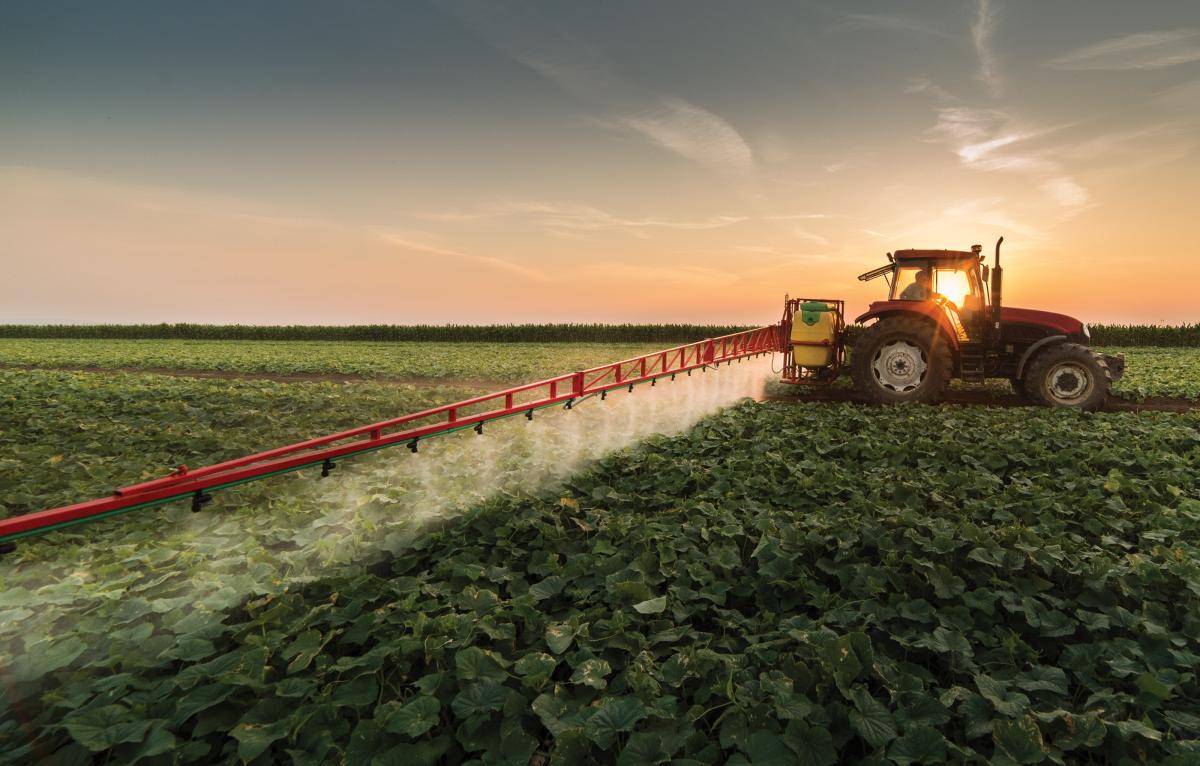
Irrigation to support agriculture in the Sacramento Valley has
drained groundwater to the point that the land is sinking. (Photo
courtesy of Harvest Water)
The Harvest Water Program is billed by SacSewer, the Sacramento Area Sewer District, as California’s largest agricultural water recycling project. Recycled water is treated wastewater that starts as sewage from homes and businesses across the Sacramento region and is cleaned at SacSewer’s EchoWater plant to a standard the state approves for irrigation.
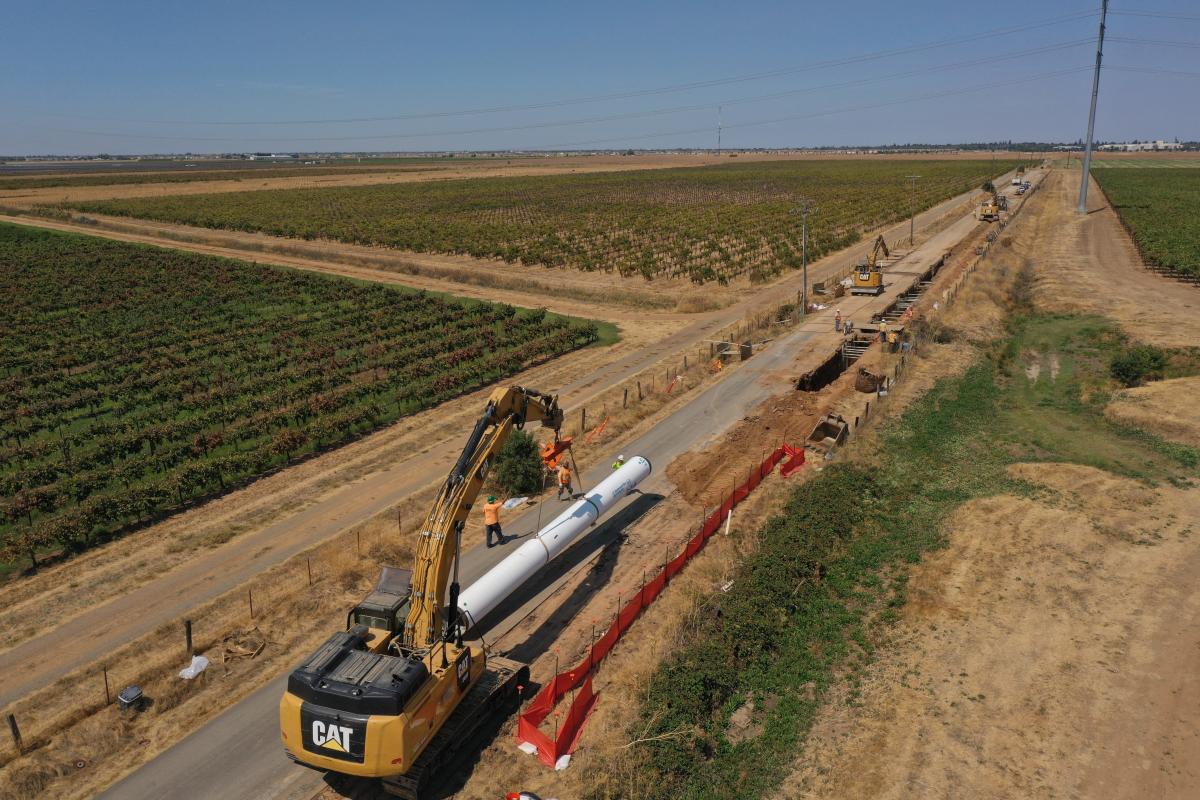
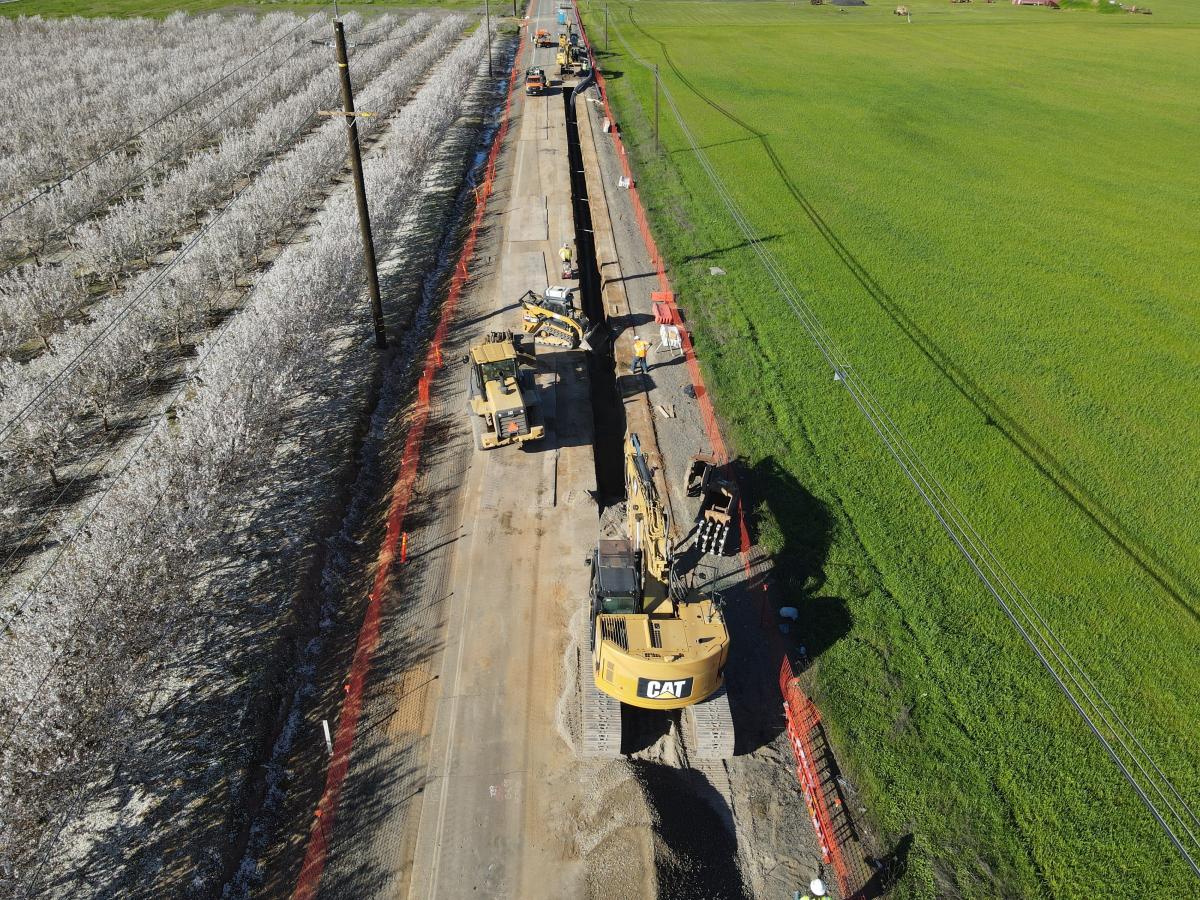
According to the District’s materials, it will deliver up to 50,000 acre-feet of recycled water a year. This equates to roughly 16 billion gallons, which will be routed through nearly 42 miles of pipelines from the EchoWater facility near Elk Grove. This pipeline will feed more than 16,000 acres of farmland and habitat in southern Sacramento County.
Christoph Dobson, SacSewer’s general manager and district engineer, says growers keep their wells and gain a second source they can schedule. “Instead of going and turning on their pumps, they’re going to order the water, and it’s going to come through, and there are automated valves that turn on and supply the water,” Dobson says. The wells remain in place because the district cannot promise full deliveries at all times.
For farmers and ranchers like Hardesty, the program comes with many practical benefits. For example, his crop mix will not change, but he expects to irrigate in about half the time, saving days of labor and pump wear. However, Hardesty set one condition early on regarding the venture’s economics. He stipulated that for his willing adoption, recycled water could not cost him more than pumping his own well.
The delivered rate is set to start near $25 an acre-foot and rise toward $30 within a couple of years, which he says lands “about what we pay for our well pumping. So it’s comparable.” Dobson describes the pricing as designed to be cost-neutral. “It doesn’t really matter which water source they use,” he says. “It’s going to be about the same price for them.”
Additionally, the project’s larger stakes lie underground, since groundwater supplies 30 to 60 percent of California’s water in a normal year and more during droughts. The 2014 Sustainable Groundwater Management Act now requires local agencies to halt long-term overdraft in stressed basins. By cutting his pumping roughly in half, Hardesty expects his area to stay in balance and the long push to meter agricultural wells to fade. “The pressure to meter our wells in this county with this project will be nil and void,” he says. “That’s huge for everyone that has an ag well.”
SacSewer projects the recycled water to raise groundwater levels by about 35 feet and add roughly 370,000 acre-feet of storage over 15 years, but these are modeled figures and not guarantees. In addition, the district expects the deliveries to sustain more than 5,000 acres of wetlands and wildlife habitat, including some 3,500 acres of threatened sandhill crane habitat.
Yet most people misunderstand how the aquifer recovers, says Dobson, since the project isn’t going to pump water back into the ground. “We’re actually providing irrigation water, which really just stays at the surface,” he says. “In place of the farmer pumping out of the ground, instead they’re using our water.” The aquifer rises because it is no longer being drained, and how fast depends partly on the weather.
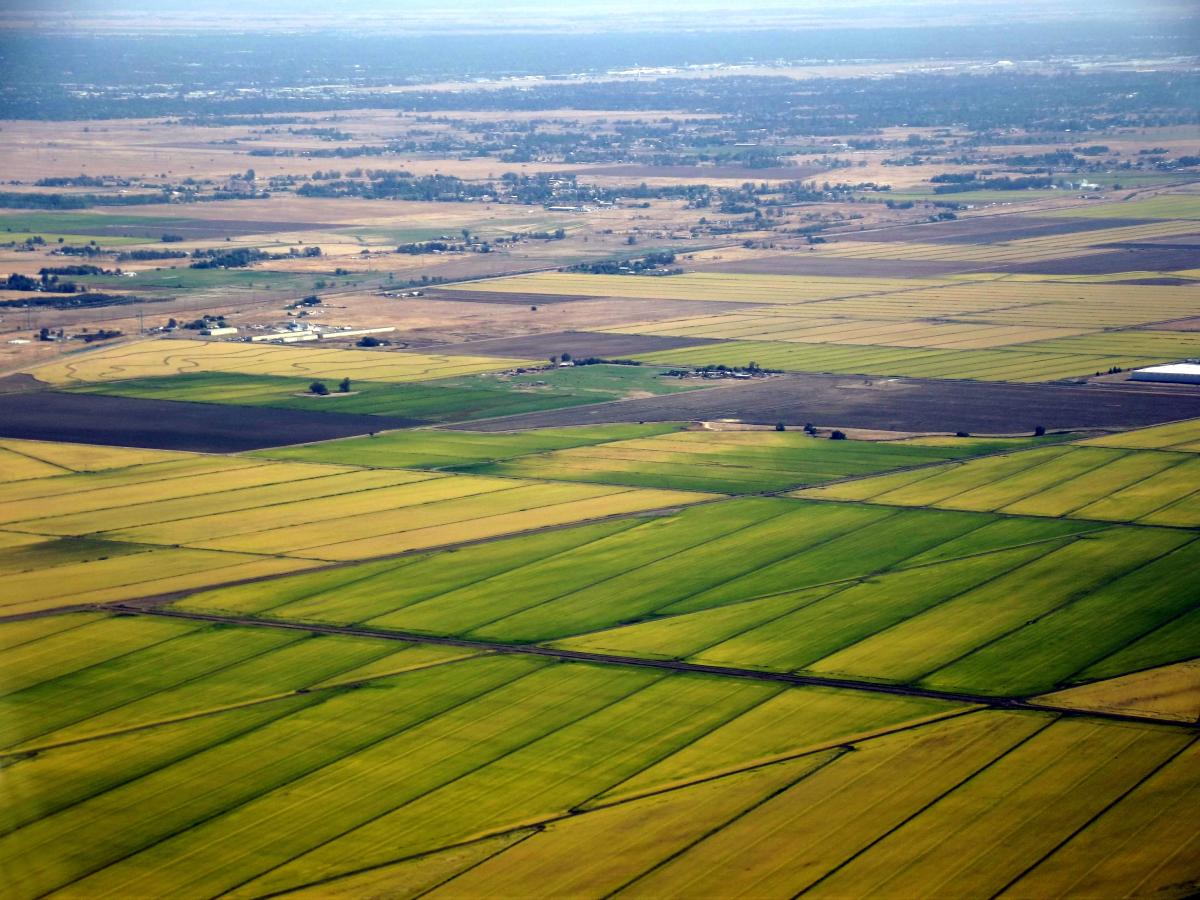
Harvest Water will make recycled water available for farmers to
irrigate their crops. (Photo courtesy of Harvest Water)
Independent analysts see the approach as a recognized fix. The Public Policy Institute of California, a nonpartisan research group, calls supplying water in place of pumping “in-lieu recharge” and counts recycled water among the sources that can ease SGMA’s pressure on growers while cautioning that recharge alone will not erase the state’s groundwater overdraft.
The ‘forever chemicals’ question
The question that nearly stalled grower interest was safety, where water quality “was everybody’s real sticking point on whether they were interested or not,” Hardesty says. Because recycled water begins as wastewater, and PFAS turn up in wastewater from everyday household and human waste, some growers worried the “forever chemicals” could ride the supply onto their crops and build up in the soil. Those fears were stoked by reports from Maine, which banned spreading treated sewage sludge on fields in 2022 after the chemicals contaminated soil and wells.
The distinction that reassured his neighbors, Hardesty says, though he is no scientist, is that those cases spread solid sludge, where the chemicals concentrate, while Harvest Water removes the solids and sends only treated water. SacSewer’s materials call the water tertiary-treated and approved under state Title 22 rules for all food crops. Dobson says the most convincing response has been to let growers see the operation for themselves. “The best way to illustrate that is we bring them out on tours,” he says.
Harvest Water carries a price tag near $597 million, of which the state has committed close to $417 million through the California Water Commission, starting with $277.5 million in 2023 and, in April, an additional $52.1 million. Dobson says that the latest sum does not expand the work. “It’s essentially a catch-up for inflation,” he says, sparing ratepayers by closing the gap between the original budget and higher construction costs.
By providing another source of irrigation water, the Harvest
Water project aims to help the aquifer recover. (Photo courtesy
of Harvest Water)
Hardesty makes the case more bluntly, stressing water tables are falling statewide with little new storage being built. “At some point, California is going to run dry (of) water unless things are done,” he says. “And this is a huge step in that direction.” The argument seems to be ringing true with many, since enrollment is up, with sign-ups growing from 62 growers in 2023 to about 85 of a possible 120 connections, according to Dobson.
Hardesty says even holdouts have come around. “I see a lot of the skeptical people have what they call a turnout at their property now,” he says. “Their fears were all answered.” An unplanned dividend also came in the form of county roads being repaved after the pipeline went in. “I’m 65 years old, and they’ve never been repaved,” Hardesty says. “Well, they are now.”
Still, Hardesty holds a worry the project’s boosters rarely raise: that a refilled aquifer could invite the very development drought has long held back, since builders who once struggled to prove a water source would have one.
“That might be the stinger right there,” Hardesty says. “As our groundwater comes up, the push for more development may come into fruition after a while. We’ll have to keep an eye on that and figure out how to handle that as it comes.”
–
Never miss a story: Get Comstock’s weekly newsletter delivered to your inbox.
Recommended For You
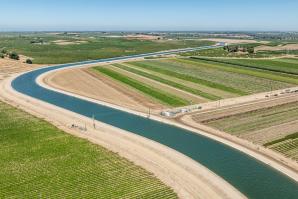
California Needs a Better Way to Pay for Water Infrastructure | Opinion
The new executive director of the California Farm Water Coalition shares thoughts on infrastructure funding models
Decades of growth are still being supported by water delivery
systems built for half the population. California needs more
water storage capacity but has not provided a clear or reliable
funding source to put plans into action.
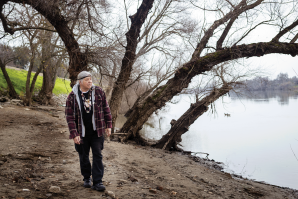
Tribes and Allies Form a Coalition Against the Delta Conveyance Project
The Winnemem Wintu, Shingle Springs Band of Miwok Indians and other groups oppose plans to build the Delta tunnel
Southern and Central California water districts say they need the Delta Conveyance Project to withstand drought and climate change, but opponents say it will drain vulnerable ecosystems.
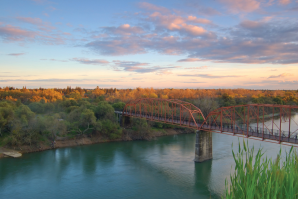
The Lasting Agreement
California’s long legacy of trying to solve its water problem
No one owns water in California, making collaboration and
negotiation between water management players crucial.
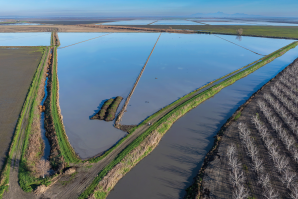
This Collaboration Between Farmers, Water Officials and Environmentalists Is Saving Wildlife
The Floodplain Forward Coalition helps farmers help salmon while protecting water supplies
Water policy in California is defined by fighting. Plans to fix the system languish for decades, and if they’re implemented, they end up in court for many more years. The Floodplain Forward Coalition has broken out of that paradigm.