


Michelle Paul is the executive director of the California Farm
Water Coalition. (Courtesy photo)

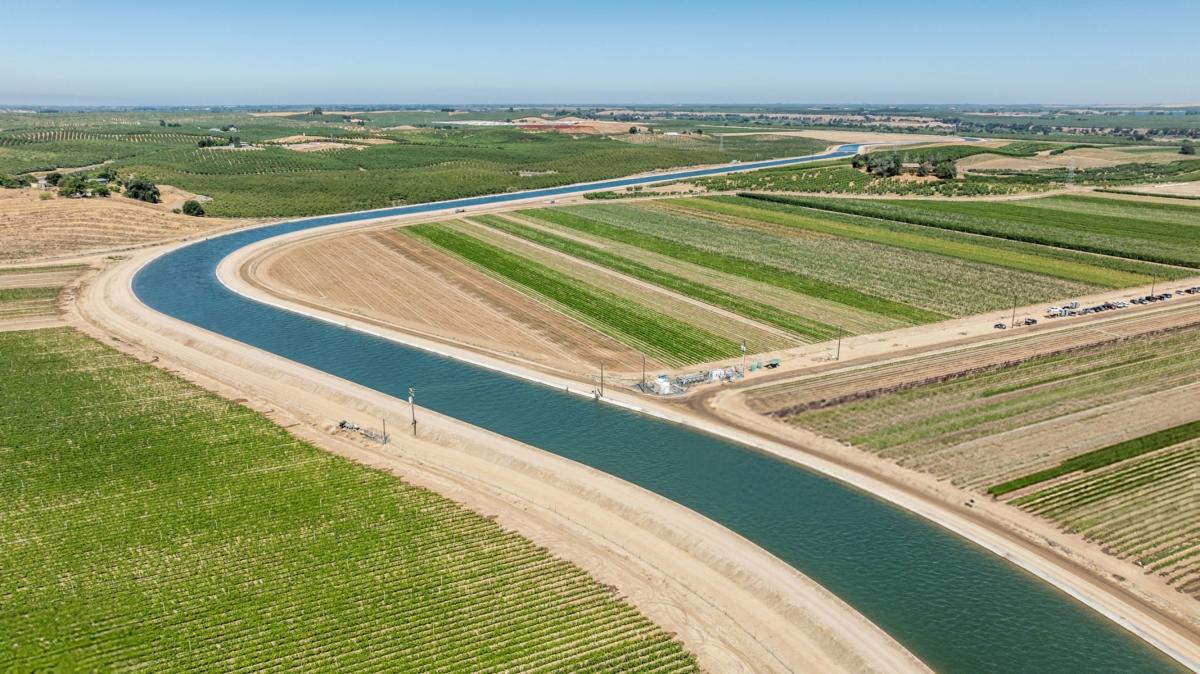
Decades of growth are still being supported by water delivery systems built for half the population. California needs more water storage capacity but has not provided a clear or reliable funding source to put plans into action.
Today’s structure relies on one-off financing to maintain or build large-scale water projects, leaving ratepayers to cover what grants and bonds cannot finance.
The Sites Reservoir project is a good example. When the project was proposed in 2019, it carried an estimated price tag of $3 billion. Today, that estimate has climbed to between $6.2 billion and $6.8 billion. At the same time, a draft decision by the State Water Resources Control Board earlier this month substantially reduces the project’s annual water yield.
In other words, the project now costs roughly twice as much as originally projected while delivering substantially less water.
Shasta Dam is another example. After more than four decades of studies, reviews, lawsuits, and debate, what was once a significant expansion has been reduced to an 18.5-foot raise carrying an estimated $2 billion price tag and no clear path forward. Shasta, a federally owned reservoir, has simultaneously seen its storage capacity and effective utility diminish. Like Sites, the cost to improve a system that benefits all Californians is falling on end water users.
This cost burden is especially difficult for California’s farmers and ranchers, who compete in global markets where others set prices, and rising water costs are simply absorbed. This hardly seems fair when water delivery systems provide statewide benefits, since the water applied to crops reaches cities and communities through the food that is grown.
Yet there are other options.
In 2023, 77 percent of Texas voters supported a constitutional amendment creating the Texas Water Fund. Rather than relying on one-time appropriations to finance large-scale infrastructure, the fund provides a long-term financing framework that combines public investment with revolving loans and bonds to keep critical water infrastructure projects moving forward.
To further strengthen this model, Texans once again voted in fall 2025 to approve another constitutional requirement that dedicates up to $1 billion annually of existing state sales and use tax revenue to the Texas Water Fund for up to 20 years.
Eligible projects include repairs and replacement of aging infrastructure, new water supplies, flood mitigation, water conservation projects, and assistance for rural water systems and wastewater infrastructure.
In contrast, California still relies largely on intermittent bonds, annual budget decisions and program-by-program revolving funds instead of a single financing framework.
The Texas model creates sustainable water supplies with benefits far beyond direct users. Access to reliable water supports communities, jobs, safe drinking water and ecosystem management. It supports statewide economic resilience.
California already helps finance safe drinking water because clean water is a public priority. Water infrastructure should be treated with similar seriousness since it delivers broad public benefits.
Asking end users to pay for large portions of water infrastructure projects is no longer realistic for multibillion-dollar projects. If the public benefits are statewide, the financing should not fall on a narrow group of users.
As a state, we have a choice. California must find ways to secure reliable water for people, farms, communities and the environment or face the consequences of refusing to evolve.
Michelle Paul is the executive director of the California Farm Water Coalition, a nonprofit organization committed to helping the public understand the connection between water and the food grown in California. She can be reached at mpaul@farmwater.org.
–
Stay up to date on business in the Capital Region: Subscribe to the Comstock’s newsletter today.
Recommended For You
Tribes and Allies Form a Coalition Against the Delta Conveyance Project
The Winnemem Wintu, Shingle Springs Band of Miwok Indians and other groups oppose plans to build the Delta tunnel
Southern and Central California water districts say they need the Delta Conveyance Project to withstand drought and climate change, but opponents say it will drain vulnerable ecosystems.
Can the Next Generation Afford to Farm in California?
California has the biggest farming economy in the country, but small farmers still struggle and often leave the business
In a state known for its huge farming economy, small farms earn just a sliver of the revenue, and many struggle to stay in business.
Can Technology and Innovation Keep California’s Family Farms Alive?
From robots to drones, the Sacramento region is a hub for ag innovation
Technology and innovation offer rare solutions for family farms in tough economic times and fuel Sacramento’s status as “America’s Farm-to-Fork Capital.”
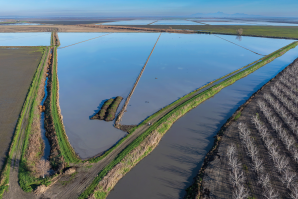
This Collaboration Between Farmers, Water Officials and Environmentalists Is Saving Wildlife
The Floodplain Forward Coalition helps farmers help salmon while protecting water supplies
Water policy in California is defined by fighting. Plans to fix the system languish for decades, and if they’re implemented, they end up in court for many more years. The Floodplain Forward Coalition has broken out of that paradigm.
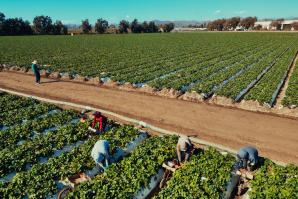
California Farmers Can’t Survive on Passion Alone | Opinion
The president of the California Farm Bureau warns that rising costs and shrinking margins are jeopardizing family farms
Shannon Douglass, a longtime farmer and president of
the California Farm Bureau, argues that protecting the
state’s food supply will require balanced regulations,
infrastructure investments and stronger markets for
California-grown food.