


This story is part of our September 2026 issue. To read the print version, click here.
It doesn’t take a long memory to recognize the truth in that statement. Just this year, we have seen conflicts close off trade routes through which crucial farm inputs such as fuel and fertilizer are shipped. During the COVID-19 pandemic, we witnessed how quickly international supply chains can grind to a halt.
It is vital that we continue to produce food in this country, and for many crops that means growing them in California. The Golden State’s agriculture sector is the most valuable in the nation. It’s also the most diverse, producing more than 400 different farm commodities. The fruits, nuts, vegetables, meat and dairy that California specializes in form the cornerstone of a healthy diet.
As a farmer with more than two decades of experience and as president of the state’s largest agricultural organization, I can attest that the success of our farms is thanks not only to California’s nutrient-rich soils but to decades of hard work and ingenuity from farmers and farmworkers.
Every day on a farm brings something different. At my farm in Glenn County, at any given time, we might be baling hay, taking soil samples or witnessing the birth of a newborn calf. That’s one of the many things I love about being a farmer. I love the seasonal rhythm of farming — the ebb and flow that comes from alternating between the mad rush of a summer harvest and the winter calm when we slow down, repair our equipment and get ready to do it all over again. But what I love most is working with Mother Nature to provide something tangible that people need. There’s not much that can beat that feeling. It’s why farmers are so passionate about what we do.
The unfortunate reality is that while that sense of purpose may bring fulfillment to our days in the fields, it is not sufficient to protect our farms or our food supply from mounting economic pressures.
Like anyone else, farmers need to pay our bills. And in recent years, many of the crops we grow have not penciled out. That’s why more than 60 percent of U.S. farmers also work an off-farm job, with farm households earning 77 percent of their income off the farm, according to the American Farm Bureau Federation.
I’ve known farmers who sold insurance, worked in banks and managed truck fleets — often working from before sunrise until late at night — just to finance their farm operations. There’s that passion I mentioned.
But we know what happens when farming is all passion and no profit. It’s not pretty.
What happens is the loss of 20 percent of our state’s farms in a single decade, with small- and mid-sized family farms faring the worst. That’s what we have experienced in California, according to the most recent Census of Agriculture.
These farmers did not lose their farms because they lacked dedication. After witnessing the same story time and again, the reasons farms are failing have become only too familiar. Farms are failing because the cost of operating a farm in California has risen precipitously. In addition to paying more each year for fuel, fertilizer, equipment and labor, the cost of complying with an ever-growing number of environmental and labor regulations has especially challenged farmers.
One study found the cost to California lettuce growers of complying with government regulations increased by more than 1,300 percent from 2006 to 2024. Another study showed the portion of production costs that Napa County winegrape growers spent on regulatory compliance last year was roughly double that of winegrape growers in Oregon. This puts California farmers at a distinct economic disadvantage to farmers in other states and especially across the globe.
Because farmers sell commodities in a global marketplace, we are unable to pass along production cost increases to buyers. They come out of the farm’s margin until there is no margin left. And while we can weather no margins for a short time, soon those farms cease to exist.
To be certain, the farmers I know agree with the spirit of protecting the environment and supporting our workforce. We strive to be good environmental stewards, and we want the absolute best for the field workers, irrigators, tractor drivers and all of the other incredible men and women who keep our farms running and put food on your tables.
But the cumulative effect of compounding regulations has become a burden many farms simply cannot bear. California’s agriculture sector is among the most regulated on the planet. It isn’t a coincidence that the state ranks near the top in the nation in farm loss. Ultimately, it benefits neither farmworkers nor the environment when California farms are forced out of business, farmland is converted into warehouses or data centers, and our food is imported from places whose workers, lands and species enjoy few protections.
To be a farmer, you have to be an optimist. And I believe it’s in our power as Californians to make a positive difference for the future of agriculture in this state.
That starts with taking a balanced approach to regulations so that the smart, dedicated people farming some of the world’s most fertile land are not priced out of doing what they love. Instead of persecuting agriculture, we should recognize farmers as champions for our workforce and partners in protecting the environment.
It’s not only about cutting regulations. If we want to keep agriculture in our state, we need to invest in water storage, rural infrastructure and workforce development for future farmers. We also need to provide reliable markets for what we grow.
Our food supply is too important to take for granted. Let’s all do our part to keep it thriving in California.
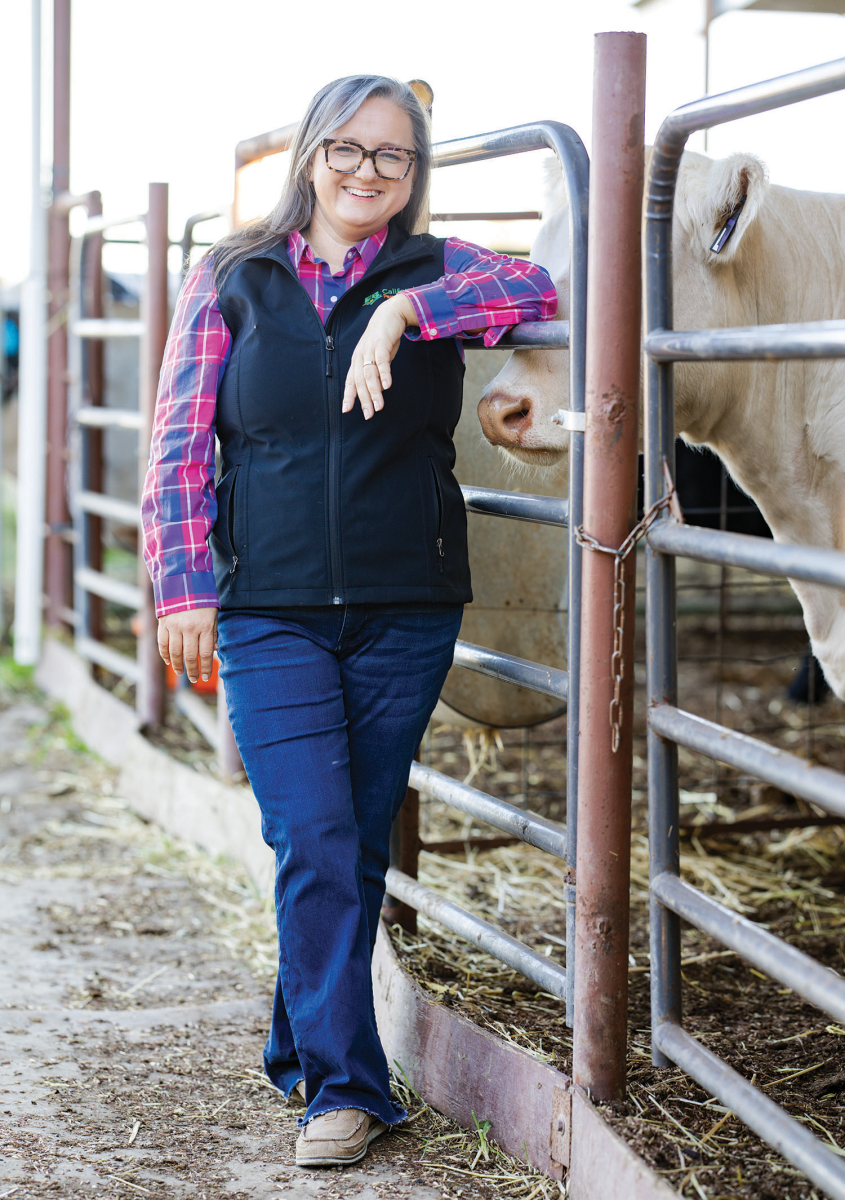
Shannon Douglass is a Glenn County farmer and president of the California Farm Bureau, which works to protect family farms and ranches on behalf of more than 23,000 members statewide and as part of a nationwide network of 5.8 million Farm Bureau members.
–
Stay up to date on business in the Capital Region: Subscribe to the Comstock’s newsletter today.
Recommended For You
Can the Next Generation Afford to Farm in California?
California has the biggest farming economy in the country, but small farmers still struggle and often leave the business
In a state known for its huge farming economy, small farms earn just a sliver of the revenue, and many struggle to stay in business.
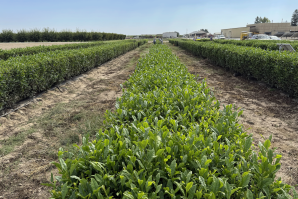
Experience California Tea at UC ANR’s First ‘Tea Day’
The first tea harvest at Kearney Agricultural Research and Extension Center follows more than 50 years of research
Next month, the Kearney Agricultural Research and Extension Center plans to host its first CA Tea Day, celebrating and sharing its recent work on tea cultivation.
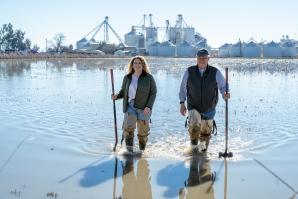
A New Chapter for Lundberg Family Farms
A pioneer of organic farming passes the torch to the fourth generation
Lundberg Family Farms is the largest organic rice grower and
producer in the state of California, with operations in Richvale
in Butte County. Lundberg’s third and fourth generation family
members now work together, each bringing their unique skills to
farming practices such as soil analysis.
New UC Davis Research Center Will Help Central Valley Provide Food Sustainably
The Resnick Center for Agricultural Innovation will explore the future of food
Agricultural research is about to get supercharged at UC Davis, thanks to a $50 million donation from the co-owners of one of the biggest names in almonds, The Wonderful Company.