


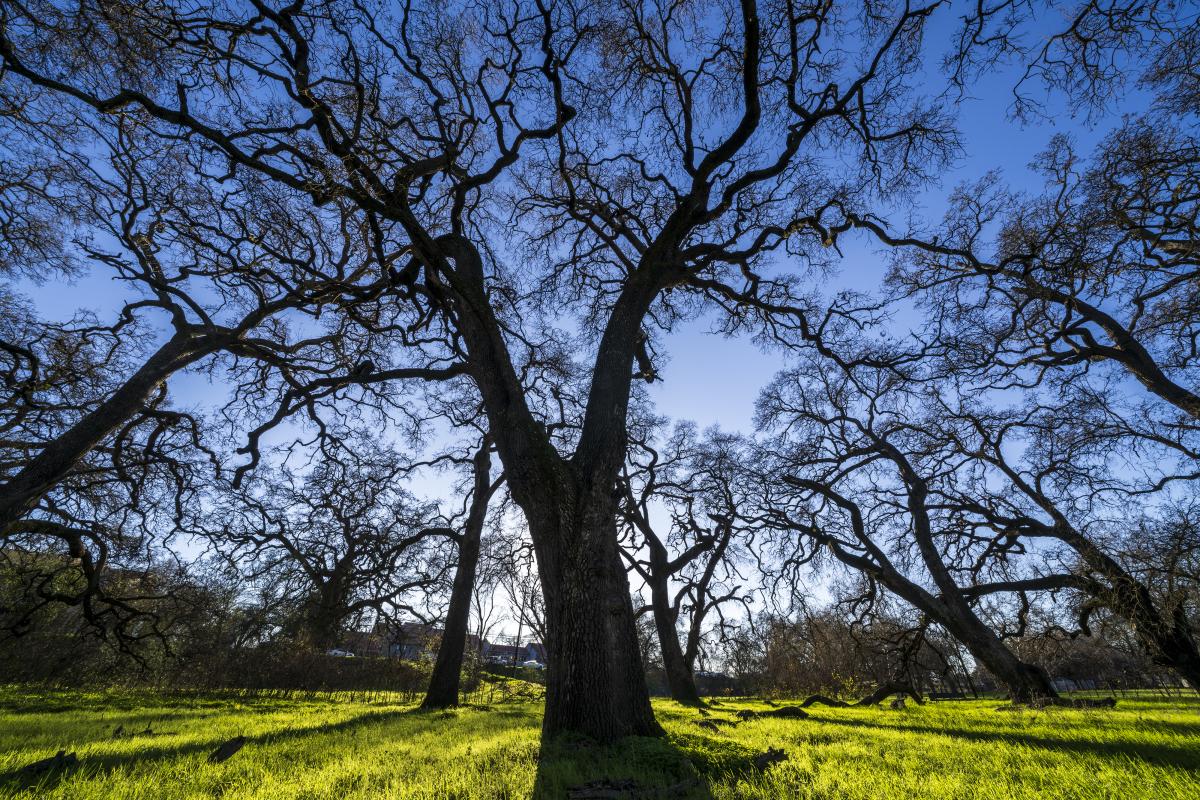
Hundreds of people marched along the American River in July to protest the Army Corps of Engineers’ plan to remove over 600 trees, including oaks, from the riverbanks for a flood control project. Dozens attended a November meeting of the Sacramento County Board of Supervisors to urge the rejection of a solar energy project that would remove thousands of oaks from land near Prairie City. Sacramentans have also rallied against projects that would remove oaks for flood control along the Sacramento River and homes in Rancho Cordova.
Sacramento was once known as the City of Trees, so perhaps it isn’t surprising that some residents are concerned about what is happening to local oaks, despite the impact the projects would have on ongoing issues like the housing crisis, flood risk and fossil fuel consumption.
“If you look at the land-use changes in the Central Valley over the last 200 years, so many of the oaks have been removed through conversion to agriculture and cities,” says David Rizzo, distinguished professor of plant pathology at UC Davis. “There are very few classic oak woodlands left.”
Diseases that are killing oaks in other parts of the state have been largely absent in the Capital Region, Rizzo says. Development and climate change — higher temperatures and drought — threaten oaks here. Valley, blue and interior live oak are the most common oak trees in the region. “Oak woodlands are a critical habitat,” Rizzo says.
Here is a look at projects that involve cutting oak trees.
American River housing
Interior live oaks are on a site proposed for housing on the
American River in Rancho Cordova. The interior live oak is
unusual for oak trees because it retains leaves in winter.
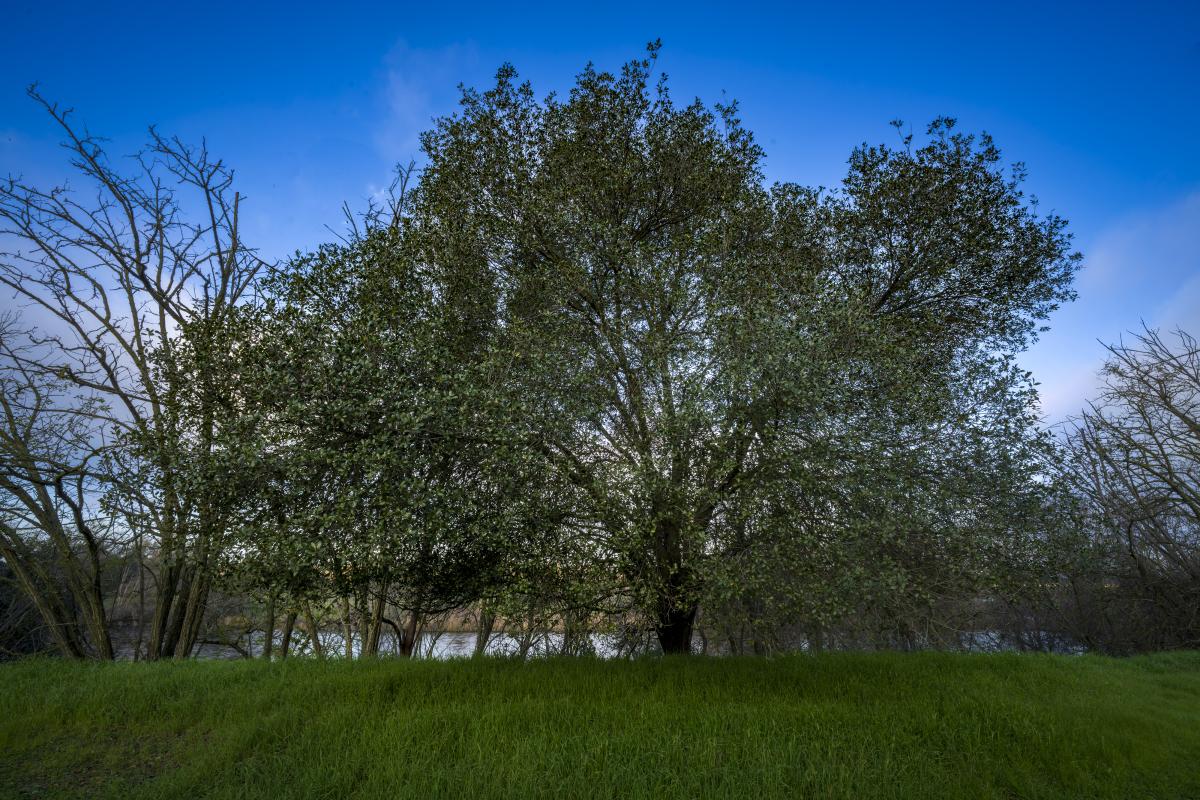
Developers want to build a housing subdivision in Rancho Cordova in one of the few sections of undeveloped private property on the Lower American River, known as the Kassis site after former owner John P. Kassis. The most recent iteration of the project discussed between developer Trumark and Rancho Cordova’s City Council would create 245 units on 41 acres. The project site near River Bend Park has 147 protected trees, including 10 interior live oaks. The project has been discussed for years, in part because of concerns from state and local officials about the potential for flooding.
American River flood control
A Valley oak in a section of the American River Parkway where the
U.S. Army Corps of Engineers plans to remove all of the trees for
flood protection work.
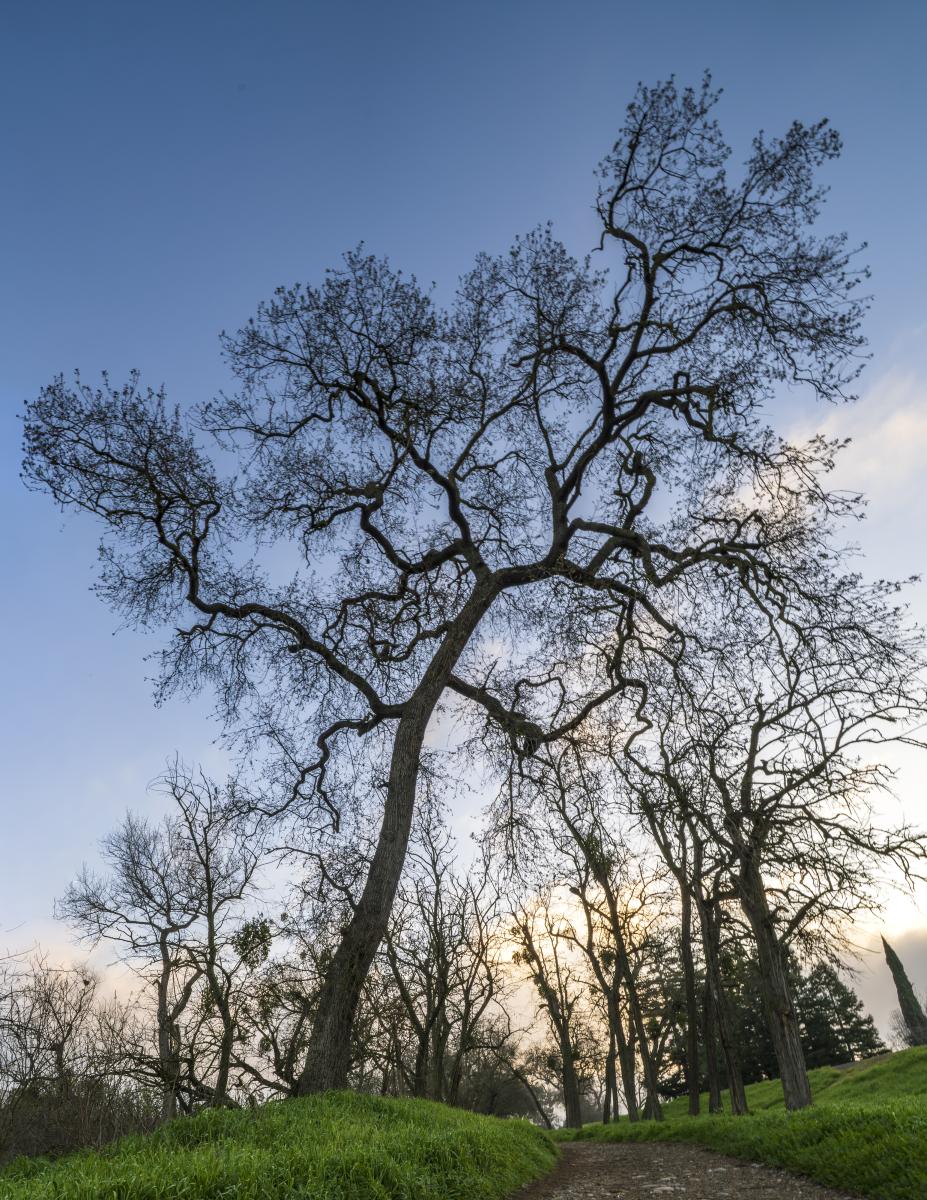
The U.S. Army Corps of Engineers says it needs to remove at least 675 trees along the American River Parkway as part of a project to better secure the riverbanks against flooding near Watt Avenue. Environmental groups, in a complaint filed in the U.S. District Court for the Eastern District of California, say the work can be done without all the tree removal.
One of their arguments for opposing the project is that the Corps of Engineers did not specify how many heritage oaks would be removed, when they are common along the river and protected under Sacramento County ordinance. They also said the federal agency failed to properly consider project alternatives.
A federal judge agreed that they provided enough evidence to raise the question in further legal proceedings when she granted a temporary injunction against the project in November.
Sacramento River flood control
Oak and other trees along the Sacramento River were part of an
extensive trimming project required by the U.S. Army Corps of
Engineers.

That wasn’t the first time the Corps of Engineers drew opposition for plans to cut trees. A few years ago, Reclamation District 1000, which is responsible for levees in Natomas, cut trees along the Garden Highway to ensure its employees could clearly see the levees from the highway. The district said the Corps of Engineers required the work. Residents said the work was unnecessary, especially since the levees had been improved in recent years.
Coyote Creek solar farm
The Coyote Creek Agrovoltaic Ranch Project calls for the removal
of 4,259 blue oaks in eastern Sacramento County.
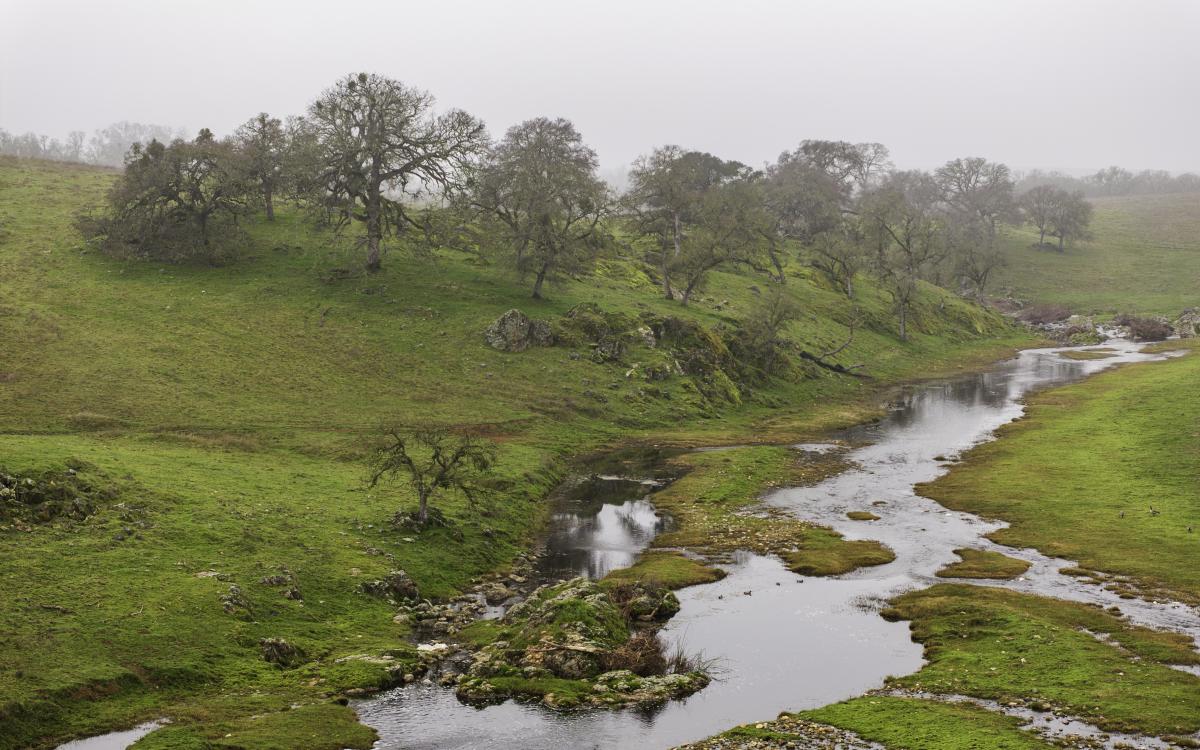
On 1,400 acres in eastern Sacramento County, currently used for ranching and home to about 3,500 oak trees, developers are proposing the construction of a solar-power generation farm. The Coyote Creek Agrivoltaic Ranch project was designed for the Sacramento Municipal Utility District, which planned to use the energy to help meet the state’s requirement for more alternative energy sources.
SMUD has since backed out, citing “project uncertainties” including “supply chain constraints, rising prices, tariffs, schedule delays, environmental impacts and pending litigation.” The developers say they will seek a new partner for the project. Three lawsuits are pending against the project, including one filed by environmental groups challenging the environmental impact report approved by county supervisors in November.
Never miss a story: Get Comstock’s weekly newsletter delivered to your inbox.
Recommended For You
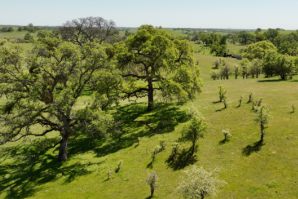
After SMUD Pulls Out, Is the Coyote Creek Solar Project a Climate Win or a Loss?
Supporters cite emissions cuts, while critics say removing oak woodlands could undercut climate gains
Though SMUD announced Jan. 5 that it would be canceling its power purchase agreement with the Coyote Creek Agrivoltaic Ranch, the future of the project — and whether or not it would have a net benefit on greenhouse gas emissions — remains unclear.
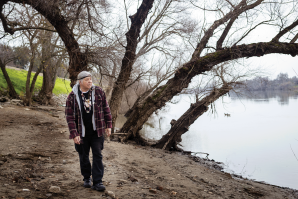
Tribes and Allies Form a Coalition Against the Delta Conveyance Project
The Winnemem Wintu, Shingle Springs Band of Miwok Indians and other groups oppose plans to build the Delta tunnel
Southern and Central California water districts say they need the Delta Conveyance Project to withstand drought and climate change, but opponents say it will drain vulnerable ecosystems.
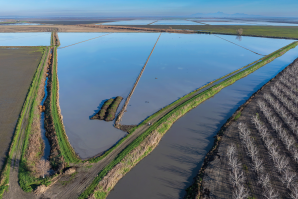
This Collaboration Between Farmers, Water Officials and Environmentalists Is Saving Wildlife
The Floodplain Forward Coalition helps farmers help salmon while protecting water supplies
Water policy in California is defined by fighting. Plans to fix the system languish for decades, and if they’re implemented, they end up in court for many more years. The Floodplain Forward Coalition has broken out of that paradigm.
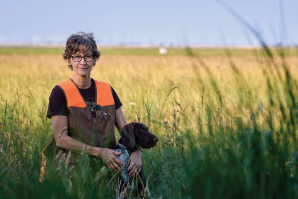
Hunting Near the Farm-to-Fork Capital
Driven by a desire to eat ethically and connect with nature, more people are discovering the Capital Region’s wealth of hunting opportunities
Alongside deer, upland game like turkeys and pheasants, and invasive wild pigs, Sacramento offers some of the best wildfowl hunting anywhere in the U.S., and hunters come from across the state and country to enjoy it.