


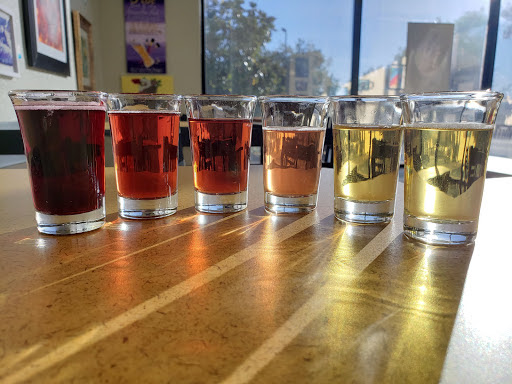
Located an hour north of Sacramento in Smartsville, Yuba County, Wild Loon Winery is a 15.5-acre biodynamic viticulture farm Frank Buncom and Alia Nikoofarsat purchased in September 2025. Their fruit-flavored mead, also known as melomel, is made of honey, well water from their property, herbs, fruit and yeast from the air. It ferments in a 6-gallon carboy. As newcomers to the mead and wine space, the co-owners introduced their small-batch mead to the public for the first time at a Sacramento event this June, and it sold out within an hour.
Mead, an ancient alcoholic drink fermented from honey and water, has waxed and waned in popularity over the years but is experiencing a resurgence. This can be attributed to multiple factors: its novelty, its representation in pop culture and the younger generations’ changing taste in alcoholic beverages.
According to Fortune Business Insights, younger-generation consumers prefer lower-alcoholic-content beverages and those with fruity profiles, which create not only a demand, but niche opportunities for retailers to stock up on mead and beverage makers to come up with mead drinks that cater to these profiles and tastes. TheAmerican Mead Makers Association reports that the number of commercial meaderies has increased from 60 in 2003 to over 500 in 2025, with an additional 50 wineries and breweries adding at least one mead to their product offerings.
This increase is also seen across Sacramento, where there is a growing presence of craft breweries, farms, meaderies and cottage mead makers, crafting their version of mead. We spoke with three mead producers to gain insight into what is driving this trend.
Wild and free
When Buncom and Nikoofarsat ventured north from San Diego, they were looking for a space to grow their mushroom business. They produce a line of medicinal mushroom tinctures, powders and teas.
“The venture was actually to push MushLoon up to find a new hub for where MushLoon would grow and do all the operations,” Nikoofarsat says. “There just so happened to be a winery and vineyard here at our property, and so Frank looked at me and said, ‘Do you want to buy a winery with me?’”
Both have a background in health. Buncom was pre-med and helped run a health technology company; Nikoofarsat is a registered nurse and is studying to become a nurse practitioner. Buncom also led a small farm on his family’s ranch. “And now, I feel like I focus more on land health and ecological health, which ties into human health,” he says.
Buncom says the previous owner of the property, Mike Lacefield, made both wine and mead at Meade Hill Winery, and it makes sense for them to continue that practice. In their process, they discovered how much they love making mead, which Buncom says will be their focus “more so than wine.”
Buncom and Nikoofarsat practice regenerative farming, which they say involves working in concert with the lunar calendar and striving to cultivate a harmonious relationship with the land, animals and nature. Nothing goes to waste, such as stray fruits that fall from a tree, which they repurpose. Buncom also farms “afrodynamically,” which he says weaves in ancient African “epigenetic wisdom of resilience and unfettered creativity, the dancing, the play, the ancestral conversation” into his work.
Nikoofarsat says mead is still considered “novel” and hasn’t been scaled up like wine, beer and distilled liquors have, since it’s mainly found in boutique and family-run small businesses. It is highly drinkable because it carries a bit of effervescence and takes on beautiful flavors from fruit, she says. Their first mead available for purchase, Feral Summer, is a sweet mead made with Hawaiian honey, mineral-rich water and wild yeasts. The entrepreneurs also encourage anyone with an idea they want to try to contact them. The duo will locally source the ingredients and concoct something.
Like fine wine
Lucid Winery’s winemaker and owner, Kevin Luther, has been making mead since 2015, with his first commercial mead production taking place in 2023. Luther makes two types of mead: a sparkling dry mead, which is more like a dry cider or champagne but with a honey note — “intensely bubbly and complex,” he says. His new “rare style” pyment is a traditional wine-honey mead hybrid where Luther co-ferments white grape juice and honey water.
Lucid Winery founder Kevin Luther says his sparkling dry mead is
“intensely bubbly and complex.”
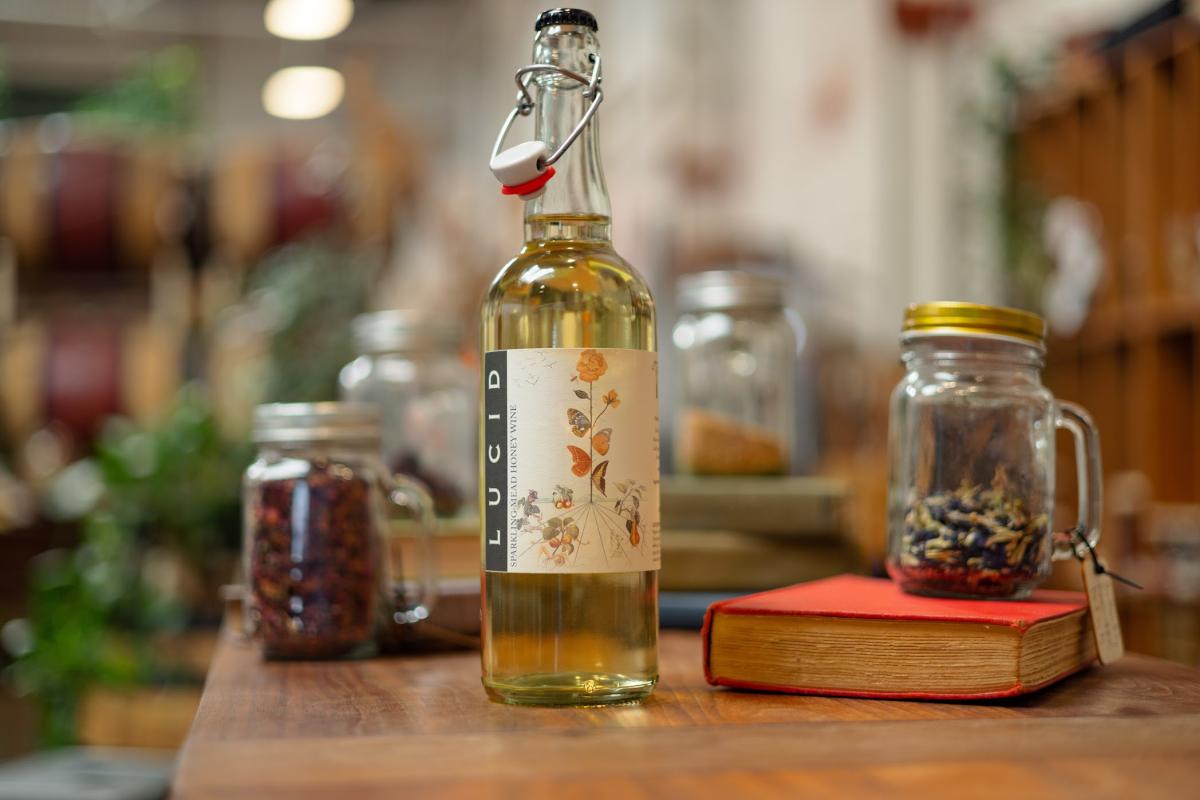
Luther says he noticed mead trending around 2022 or 2023. He says a lot of the initial interest came from popular culture references in “Game of Thrones,” fantasy novels and cinema. Luther says that once people taste mead, they tend to try it again.
He says it is a “tasty and easy-to-drink beverage” that’s a fast-growing product for him. “Mead is successful right now because it has everything: history, culture, taste and health,” Luther says. “It’s one of the oldest drinks known to man, notoriously being a drink of the Vikings.”
This year, Luther says he has already seen an increase in the range of styles of mead. “I think a lot of early meads were very sweet and flavored, which I think is a shame,” he says. “Mead can be as serious and dry as a vintage red wine, but is often pushed into the corner with ports and other sweet wines. I’m glad to see more sparkling and dry versions being launched.”
Game on
Strad Mead in Rancho Cordova was founded in 2018 by the late Dan Slort, who had been making mead since 2011. It is now owned by Raelynn DeBone, who Slort approached in 2021 about taking over the business due to his declining health. DeBone and Slort had been friends for almost 10 years and had attended many Renaissance fairs together.
Raelynn DeBone, right, took over the business about a year before
the death of the founder, Dan Slort. (Photo courtesy of Strad
Mead)
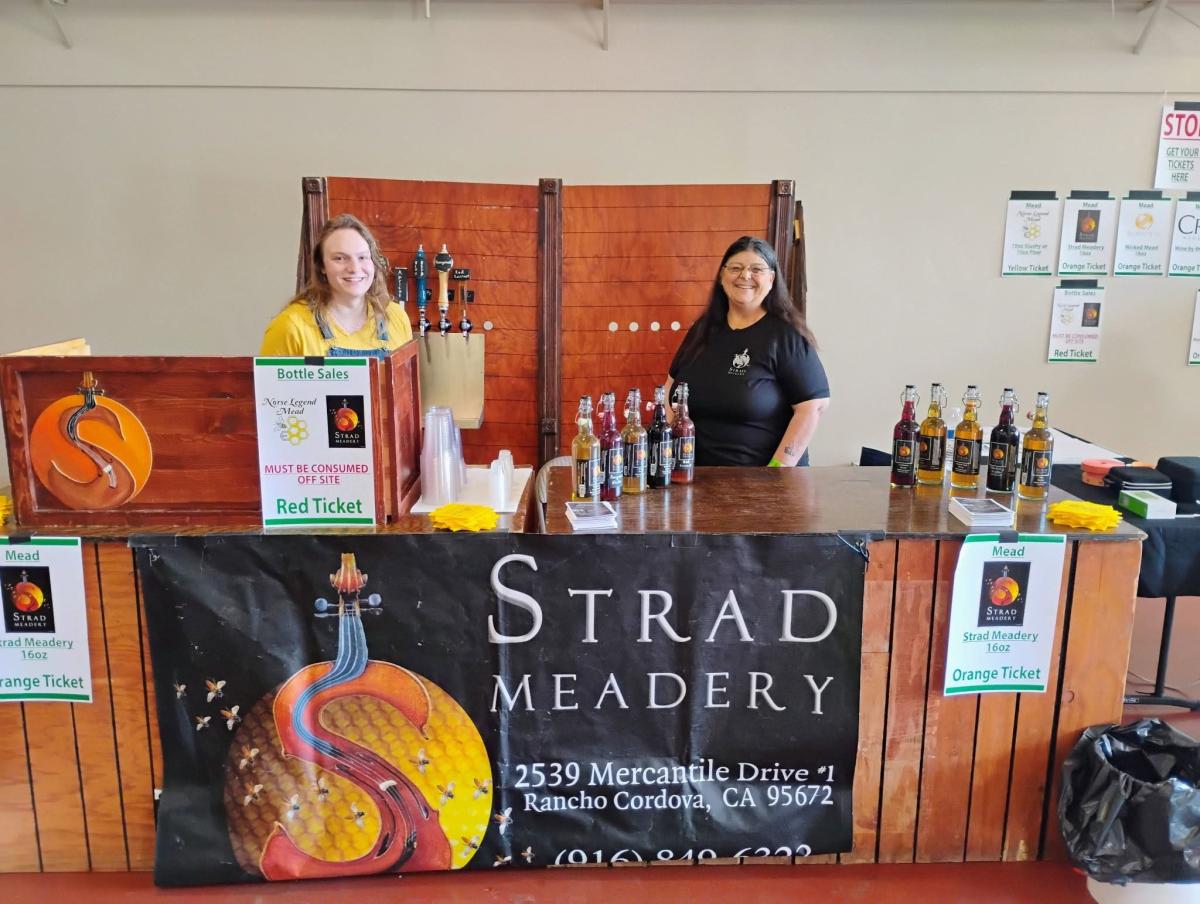
DeBone says she initially refused the offer. She was planning to retire, move to Fresno with her daughter, and run a Renaissance fair with her. “But he says, ‘No, really, truly, think about it,’ and I didn’t sleep for two weeks thinking about it, and I did sign the papers,” she says. “And then a year later, we lost Dan.”
Strad offers 26 meads, with 11 rotating meads on tap. “There are a few flavors that we have to have on tap all the time,” DeBone says. She recommends that visitors start with the original mead so that they understand it before moving on to flavored versions.
Since Strad first opened, it has leaned into mead’s medieval appeal by hosting fantasy role-playing and trading card game tournaments, such as “Dungeons and Dragons” and “Magic: The Gathering,” so many of Strad’s customers are gamers. DeBone says some visitors come in to taste a drink that they first encounter in games such as “Skyrim” or “Stardew Valley.” (In the latter, players can make the drink to restore health and energy.)
DeBone also observes that mead is becoming more popular with young consumers, some of whom are health-conscious or who generally avoid alcohol. “It’s because we don’t have some of the chemicals that wine has,” DeBone says, adding that many young people don’t like the taste of beer or wine. “So mead and ciders have been overtaking all of those things, even though wineries are really suffering right now.”
While all alcoholic beverages pose health risks, according to the World Health Organization, some studies suggest that mead may provide benefits from the antioxidants and other bioactive compounds found in honey, as well as the drink’s bacterial content. Furthermore, mead’s use of honey, which has been posed as a more natural alternative to refined sugars for decades, and its lack of gluten may associate it with health in consumers’ minds.
DeBone also suggests that an interest in an older way of doing things may be attracting people to mead. “I think a lot of people want to go back to the old ways,” she says. “They’re realizing that the world is not going to be the same anymore, and they want to go back to, ‘How do we live on the land that we have?’”
–
Never miss a story: Get Comstock’s weekly newsletter delivered to your inbox.
Recommended For You
It’s All About the Mead
New Penn Valley establishment fills a niche
Nevada County Mead Company is one of the few places in the Capital Region that produces and serves mead, which the ancient Greeks called “nectar of the gods.”

Craft Collaboration
Despite the dual-permitting nightmare, these local establishments offer their own beer and wine
Over 70 breweries are currently operating in the greater Sacramento area, but only four of them — Solid Ground in Diamond Springs, Gold Hill in Placerville, Dueling Dogs in Lincoln and the Dancing Fox — are also licensed to make and sell wine, cider, mead or other types of alcoholic beverages.
Canada’s Wine Ban Is Deepening California Wineries’ Troubles
The U.S.-Canadian trade war keeps turning Northern California’s wine world upside down
After the collapse of the trade talks, we checked in with
Northern California winemakers to see how they were dealing with
the whiplash.
Device Brewing’s Closure Gave These Sacramento Brewers a New Start
Balance Beerworks opening this summer illustrates how craft breweries are leaning into hyperlocal, neighborhood first operating models
Balance Beerworks opened this June at the location of a former
well-known Sacramento craft brewer, Device Brewing.