


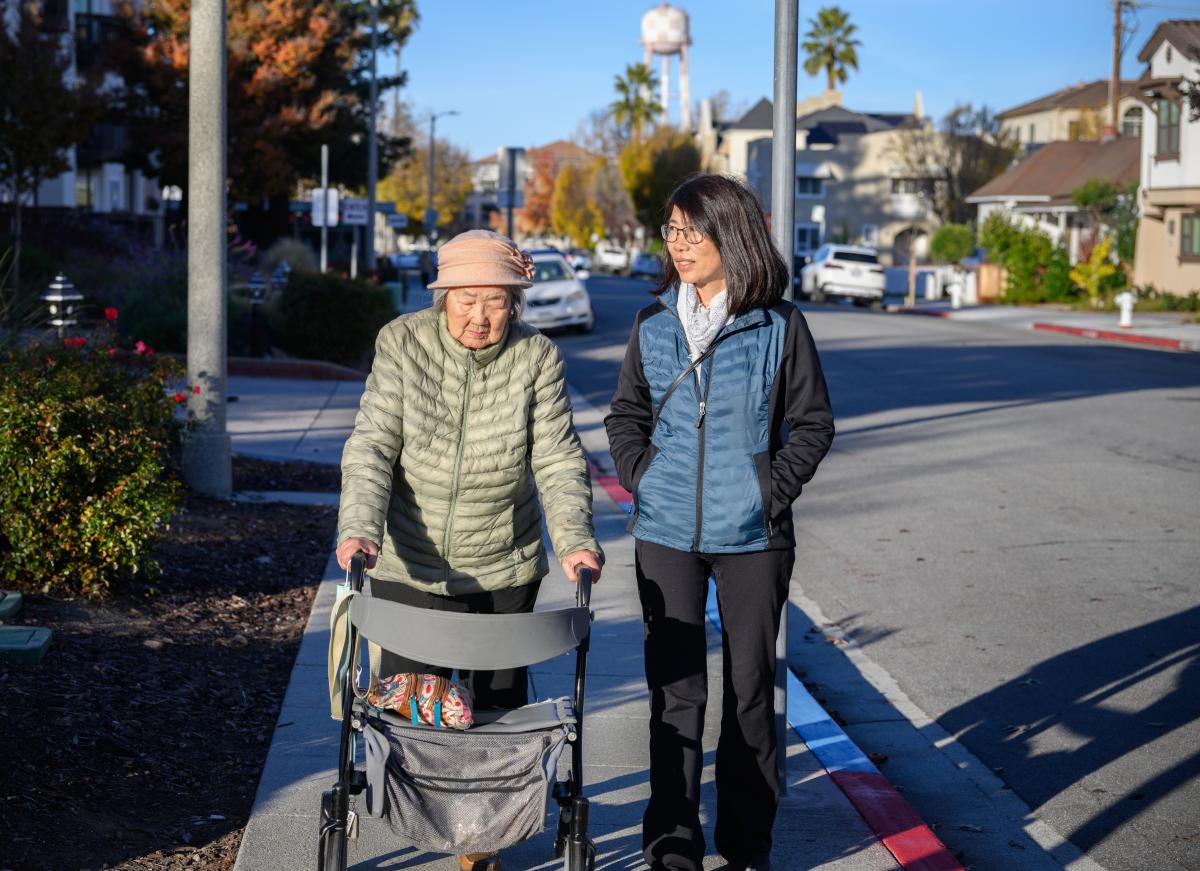
California’s population is getting older. By 2040, the number of residents 65 and older is expected to rise by 59 percent, from 5.7 million to more than 9 million, according to the Public Policy Institute of California. Longer lifespans, chronic health conditions and a strong preference for aging at home are also driving the demand for aging life care consultants who can help families ensure their loved ones receive the best possible care.
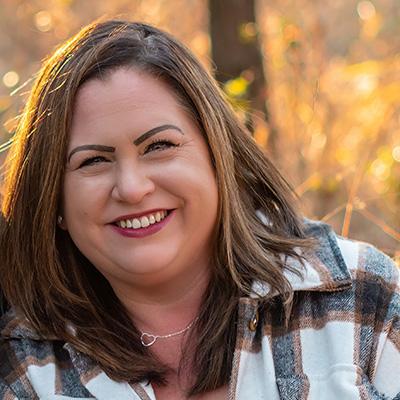
Liz Heape-Caldwell is co-owner of Elder Options in Placerville.
(Courtesy photo)
“I’ve been doing this work for a long time, but experiencing it as a daughter and having to navigate care for my mom was eye-opening,” says Heape-Caldwell.
Related: When the Sun Sets on the Golden Years: The hardship and high cost of caring for a loved one in decline
Her mother, now retired, founded Elder Options in 1988 as a sole proprietor. Today, they co-own the business, which employs 75 staff members who serve as care managers and provide home care to clients. They work with families throughout Placerville and the greater Sacramento area, serving both private-pay clients and those on Medi-Cal through the assisted living waiver program.
“I’ve been a care manager for 23 years and I can’t imagine doing anything else,” Heape-Caldwell says. “I love helping families, and it’s an honor to provide older adults with care and guidance.”
As the 2026 president of the Aging Life Care Association’s Western Regional Chapter, Heape-Caldwell and her colleagues serve as advocates for clients and their families. While much of their work focuses on older adults, she says they also support people across the age spectrum.
“We are seeing a shift with younger people who have mental health challenges or neurodiversity,” she explains. “Many adult children have lived with their parents their whole lives, and now their parents are aging. Families worry about what will happen if a parent has a stroke or becomes ill. Who will care for the adult child they’ve always supported?”
A whole person approach
Heape-Caldwell says aging life care consultants emphasize a whole person approach to care.
“We focus on the health and well-being of the individual,” she says. “If someone is at home and has had multiple hospitalizations, we start by stabilizing their medical care, but then we also look at what’s missing in their life. Maybe they used to go to church every Sunday or attend a knitting group on Mondays but have stopped. Part of our job is helping bring those activities back and ensuring their quality of life in addition to maintaining stable health.”
Unfortunately, her first contact with families is often during a crisis.
“I’d love for people to reach out earlier. A few come to talk about future planning, but most of the time we’re called in when it’s urgent,” Heape-Caldwell says. “When a parent or grandparent has a medical crisis, families are bombarded with opinions from doctors, physical therapists, and hospital staff. Everyone can have a different opinion on next steps, and it’s overwhelming. If they live far away, it’s even worse.”
The role of an aging life care consultant, Heape-Caldwell explains, is to step in, review all options and guide families through the process. That might include accompanying patients to doctor’s appointments, identifying gaps in care or helping with financial or insurance issues related to care.
Related: This Is What Aging Well Looks Like Today: Sacramento experts say aging well starts with connection and movement
“If mom just had a stroke, we determine if she’s eligible for acute rehab or skilled nursing,” Heape-Caldwell says. “We talk to doctors, coordinate care and make sure families feel supported instead of navigating it alone.”
The questions she hears most often are: “What’s next? I don’t know what to do or what kind of care my mom needs.”
“Often a parent who was living independently has a sudden stroke, and now doctors are recommending skilled nursing care,” Heape-Caldwell says. “Families worry she’ll end up just lying in bed with no support. They want to know whether skilled nursing will be temporary or if she’ll stay there long-term.”
Once a client is in a skilled nursing facility, or care home, Heape-Caldwell says her team stays in close contact with the case manager and rehab doctor to plan for a potential discharge.
“We work on that plan to ensure the right medical equipment and home modifications are in place, maybe a commode, shower grab bar, or other supports,” she says. “We also help set up caregiver services. Even after the client transitions home, we stay involved to make sure the care continues smoothly.”
Families can retain the services of an aging life care consultant for as long as they need.
“We may check in once a month, and if something happens, we can step in and be more involved,” Heape-Caldwell says. “Or sometimes, a family is just overwhelmed and just needs us to jump in and develop a plan for the short-term.”
Although aging life care consultants aren’t new, and the field is growing, Heape-Caldwell says many families don’t realize this kind of help exists.
“I think it’s partly a lack of awareness, but I also think a lot of families believe they need to handle it all by themselves,” she says.
Helping families find answers and care
Rebecca Johnson, a social worker with over 25 years of experience and owner of Your Elder Care Specialist in El Dorado Hills, realized how complex elder care is when her 89-year-old mother-in-law needed medical care.
Rebecca Johnson is owner of Your Elder Care Specialist in El
Dorado Hills. (Courtesy photo)

After being introduced to an elder care specialist, Johnson learned what her mother-in-law qualified for in terms of benefits and how to ensure she received appropriate care.
“I was so intrigued by the job that I decided I wanted to make a shift in my career,” she says. In 2016, Johnson launched Your Elder Care Specialist, offering families in Sacramento, El Dorado and Placer counties assessment and placement services to help them navigate the complexities of senior care.
“I believe knowledge is power when it comes to helping families make the right decisions,” she says. Johnson supports clients as they navigate options such as assisted living, memory care facilities, board and care homes, in-home providers, and hospice services. “My goal is to ensure families understand all their options so that we can find solutions that fit both their needs and their budget.”
Related: Sheri Peifer Is Building Communities Where Aging Comes With Purpose
On a typical day, Johnson meets with families and tours two to three care communities alongside them.
“We walk through the facility with them, answer their questions, make sure that they understand the nuances of how a community operates, what’s provided and what’s not,” she says. “Once they’ve made a choice, we guide them through the next steps, from completing paperwork to coordinating moving logistics if needed.”
She also works closely with families whose loved ones are preparing to leave the hospital but aren’t sure what level of care comes next.
“Once a discharge date is set, we make sure they’re connected with the right resources, whether that’s in-home care, home health, hospice or other support services,” she explains. “We’ll also review available benefits, since certain health care plans can help offset costs.
Like many aging life care professionals, Johnson is often called in when families are facing a sudden health crisis. It might be a parent with dementia who has wandered from home or a serious health event that makes living alone no longer safe.
“Sometimes it’s a fall or a medical event that lands someone in the ER, and suddenly doctors are saying they need 24-hour care and may be discharged as soon as the next day,” Johnson says. “In those moments, families are overwhelmed. We’re able to step in quickly and help them navigate what needs to happen next.”
As older adults transition to a new living arrangement, Johnson makes sure the move is seamless.
“We follow up with both the care facility and the family after a couple of days and later after a few weeks to ensure everything is going well,” she says. “We always want to make sure that everybody’s happy and that our relationship doesn’t end at placement. We’re always open to them calling and asking questions.”
Johnson notes that the health care system is constantly evolving, with programs and benefits frequently changing, making it difficult for families to navigate care on their own. And with skilled nursing facilities in Sacramento averaging between $12,000 and $15,000 a month, cost is often a major concern.
“We’re often approached by adult children who worry their parents don’t have the financial resources for care or are living solely on Social Security,” she says. “We walk them through all their options, looking at whether they qualify for veterans’ benefits, how to apply for Medi-Cal, and how to navigate those systems effectively. We can also suggest alternatives like board and care homes, that may be more budget-friendly while still meeting their care needs.”
Johnson says she often works with families who are struggling with feelings of guilt, especially when a parent’s medical needs become too complex to manage at home.
“Guilt is incredibly common,” she says. “We help families work through those emotions and understand that choosing additional care isn’t giving up, it’s about keeping their loved one safe. When someone is aging and living with dementia, their health and safety are the top priority.”
–
Never miss a story: Get Comstock’s weekly newsletter delivered to your inbox.
Recommended For You

Sheri Peifer Is Building Communities Where Aging Comes With Purpose
Women in Leadership 2026: Meet the Eskaton CEO focused on creating connection and dignity in senior living
Leading Northern California’s largest nonprofit senior living provider, Sheri Peifer is helping reshape how communities support older adults.

This Is What Aging Well Looks Like Today
Sacramento experts say aging well starts with connection and movement
Longevity is no longer measured solely by medical and numerical milestones, but by resilience, purposeful movement and meaningful connections.
When the Sun Sets on the Golden Years
The hardship and high cost of caring for a loved one in decline
For eight weeks in the summer of 2023, Laurie Watkins took leave from work to be her mother’s live-in caregiver. She had joined what is often referred to as the sandwich generation — those who are caring for both their children and their aging parents.

What Is Senior Cohousing, and Why Is It So Popular? | Opinion
About the Danish senior housing model that's making inroads in Sacramento
Denmark has built 7,000 senior cohousing homes so far, and they’re preparing to build many thousands more. It’s time to get a senior cohousing built in Sacramento — it’s doable, it’s necessary, and it’s a heck of a lot more fun than being alone in your home.