


This story is part of our May 2026 issue. To read the print version, click here.
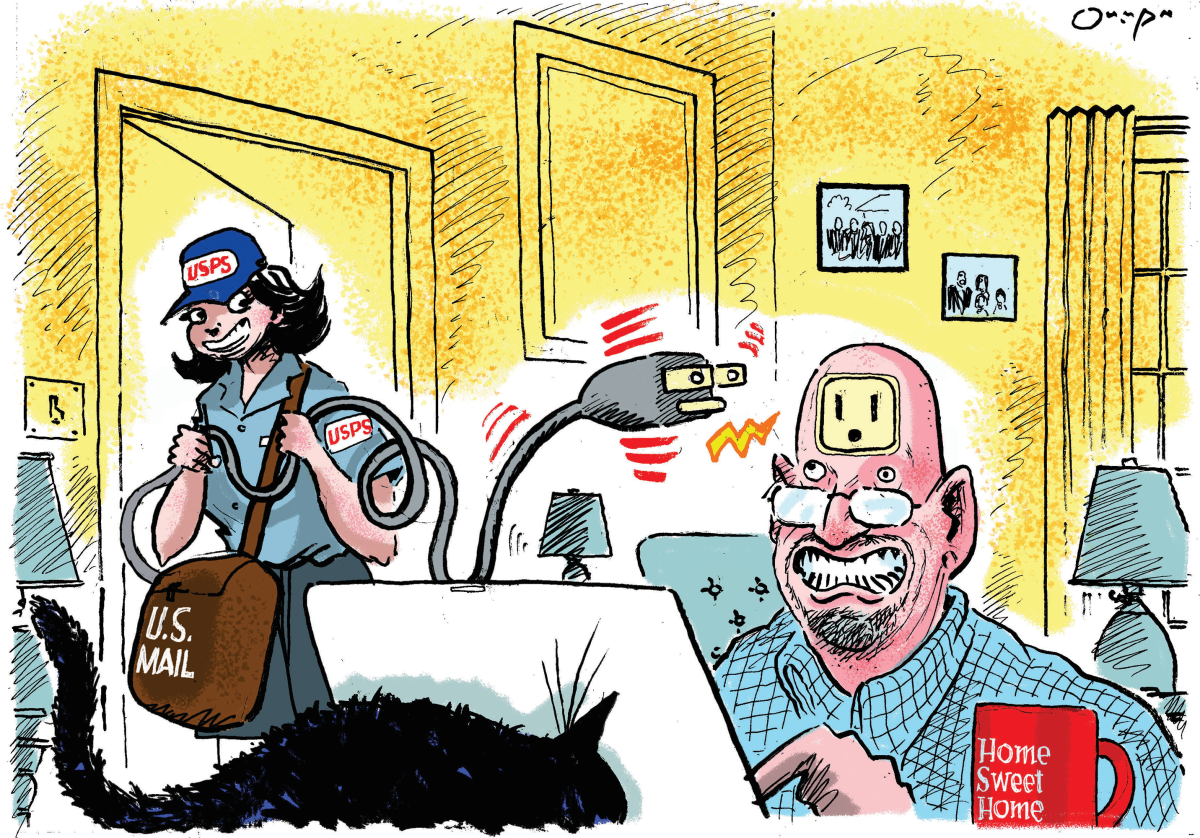
We unfortunately need to undergo a small reduction in force. We have two employees who work 100 percent remotely (but are local within a 45-minute drive) and are impacted by the reduction. Do you call them in for a meeting? Do you handle via Teams? And if that’s the case, how do you effectively lock out their access, since they are on the computer during the meeting? I’m not the most IT savvy, so I might be unaware of how the lockout can happen. Either option, would you provide postage-paid boxes for shipping back their equipment?
First, I’m sorry you have to lay off these employees, but here are the things you need to think of.
Legal clearance for reductions in force
RIFs are legally sticky. Yes, California is an at-will state, which means you can terminate people for any legal reason, but that doesn’t mean you should do it without consulting an employment attorney. There are definite rules you need to follow, especially with mass layoffs, and if you are offering severance in exchange for a general release, you need that written by an attorney.
Since you said your company’s reduction is small, here’s how to proceed with remote employees.
Terminating remote employees who are local
You’re specifically asking about remote employees who live locally, so let’s tackle that first. Face-to-face is better than video conferences, when possible, for hybrid employees, but if they are 100 percent remote, making them come in just to be terminated is like pouring salt on the wound.
But there is a sticky California law that makes having them come in for the termination logical.
California requires final pay (including accrued vacation) on the day of termination. Direct deposit of final pay requires separate authorization from the employee, regardless of how they usually get paid. Without that, you have to place a live check in the employee’s hand, which is most easily done in person.
In other words, the best solution for legal compliance is the worst solution for the employee. Have them come in, bring their equipment and have a face-to-face meeting.
The termination meeting
There should be three people in the meeting: the manager, the HR person (or, if that’s not possible, another manager at the same or higher level than the direct supervisor) and the employee.
You should develop a script, and the manager should practice it until they can say it somewhat comfortably. (It should never be 100 percent comfortable to tell someone their job is eliminated.)
A termination meeting for business reasons (not performance) should never take more than 15 minutes, preferably 10. The decision is final, and there is nothing to discuss. I know this can seem harsh, but there is nothing the employee can say that can make the company change its mind.
The typical script should be something like this:
Jane, thanks for meeting today. As you may have heard, the company is doing some reorganizing for business purposes, and your position has been eliminated. Today is your last day.
Then you’ll explain how things are going to work. If you’re offering severance or continuation of benefits, or anything else, explain it at that time.
The most important thing is you don’t engage in the whys. It’s a business decision — it is final. If the employee says, “Well, I’m going to take this up with the VP!” the answer is always, “The VP has signed off on this.” (And please, make sure that is true.)
Hand over all the documents and offer to go through them with the employee at a later time.
During the meeting, their IT access should be shut off.
Non-local remote terminations
You certainly should not require someone to drive for hours to the office for termination. Your IT department should be able to handle system lockouts, even as you are meeting on Teams. Here are your two options:
Make the day you notify them not their last day of work. You can cut off system access and still keep them as an active employee and paid fully for a few more days, allowing their paycheck to arrive on time.
Overnight all the termination information and final paycheck. When it is out for delivery, have the meeting and inform the employee that the information and formal paycheck are underway.
Option one, of course, is better for the employee. Regardless of the method you choose, you will provide them with a pre-paid box and a pickup from FedEx to return their equipment. If the delivery service is late, you may be subject to a fine, but technically, the penalty applies if you “willfully” neglected to pay them on the last day.
Regardless of which option you choose, treat your employees with the utmost respect, help them obtain unemployment benefits, and provide them with references. The number one thing you want for a terminated employee is for them to successfully find a new job, so do what you can to help them.
–
Stay up to date on business in the Capital Region: Subscribe to the Comstock’s newsletter today.
Recommended For You
Why Am I Feeling So Burnt Out in HR?
Dilemma of the Month: The Evil HR Lady tackles the sometimes ruthless nature of HR
Yes, the majority of employees are great, but that 5 percent are not, and they can make your life a living hell. Add to that the heavy administrative and compliance burden and the utter disdain some people have for HR professionals, and it’s no wonder you’re burned out.

Two Employees Are Clashing Over Loud Music in the Workplace. How Do We Keep the Peace?
Dilemma of the Month: The Evil HR Lady discusses 'toxic accommodations'
What should you do about an employee who likes music so loud it can be hard to hear customers — and accuses people of harassment if they ask to turn it down?

I Was Asked My Zodiac Sign During a Job Interview. Should I Be Worried?
Dilemma of the Month: The Evil HR Lady tackles a few categories of interview questions that could come off as clueless (or illegal)
Since lots of people face dumb questions in interviews, let’s tackle how to answer them.

Our Company’s Name Is Being Used by Job Scammers. What Can We Do for Damage Control?
Dilemma of the Month: What can companies do when scammers are impersonating them on job sites?
Job seekers need to keep vigilant, but there are several things
you can do to help make that easier.