


This story is part of our August 2026 issue. To read the print version, click here.
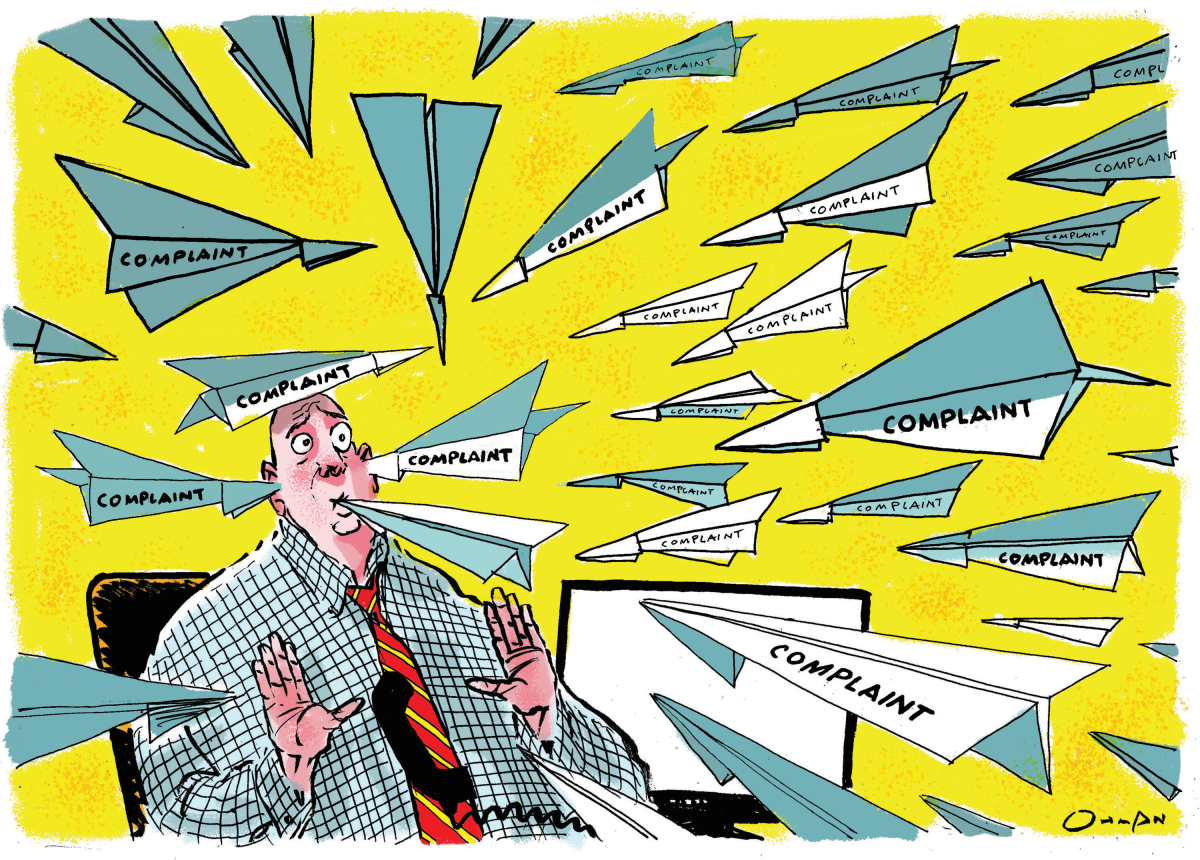
I am an HR director, and I received an anonymous complaint from someone claiming to be an employee at one of our locations, outlining concerns about management behavior.
In this case, the message included several specific allegations about how certain managers are treating staff, along with a few examples of incidents, but no names or dates that can be easily verified. The same message was also sent directly to multiple members of senior leadership, which added some urgency and visibility.
There’s no clear way to identify the sender, and it’s unclear whether this reflects a broader issue or a single disgruntled employee. What’s the right way to deal with this?
Anonymous complaints can be very difficult to manage. The person may not, as in this case, give enough information to conduct a thorough investigation. However, if you ignore it, you not only put the company at more legal risk, but also let employees know you didn’t take it seriously.
I would be very surprised to find out that only one employee is aware of this letter. While it’s possible that this is a lying individual who just wants to stir the pot, it is also possible that there is merit to their claims or that a group of employees is behind this anonymous note. So, how to tackle the problem?
Let people know
If the note had just been sent anonymously to HR, it might be wise to keep things completely confidential, but since they sent it to multiple senior leaders, I guarantee the whole company knows by now. So be upfront. Let employees companywide know you received the complaint and are acting on it.
Hire an external investigator
If you fear that senior leadership will be retaliatory, or if you’re part of the management team that the anonymous complainant accused of bad behavior, it’s probably wise to hire someone from the outside to investigate the case.
In California, a third-party investigator must be either a licensed attorney or a licensed private detective, so you can’t just hire any HR consultant to come in and do that.
If you believe this is not necessary and that there wouldn’t be any conflicts of interest in having you or your HR team investigate, then proceed with your own investigation.
How to conduct an investigation
Without names and dates, an investigation can be very difficult to accomplish. But I wouldn’t approach this as an investigation into a specific incident. You’re investigating a pattern of poor management.
This means you will want to speak to a wide variety of people across multiple levels of the organization.
It’s critical that you keep your investigation confidential. Yes, people can know that you’re conducting one, but you will not let them know what you are learning. You cannot forbid employees from discussing this among themselves, as that would violate their rights, but you will keep your mouth shut until you’re done with your report.
It’s also critical that you inform people that no one will retaliate against them for participating honestly in the investigation. And you need to make it very clear to the senior leaders that not only is retaliation unethical but also illegal. Employees have a right to discuss workplace conditions.
What questions should you ask?
Because this isn’t investigating a specific incident (since you have neither dates nor names), this is a look at the whole organization and how it functions. Therefore, this investigation will be different from your normal investigation. Consider the following.
- Conduct a survey. Anonymously, of course. No, employees won’t necessarily believe it’s anonymous, but you do your due diligence and keep it anonymous.
- Ask employees what they would like to stop, change or continue. This is usually a question about policies and procedures, but it can bring out a lot of information about management and management styles.
- Is there anything you feel HR should be aware of? This type of open-ended question can bring out a ton of information. Prepare to be overwhelmed.
Report back to everyone.
Unless your investigation shows that the complaint was 100 percent made up, the company will need to make changes. So don’t just report back until you have executive buy-in.
Let people know (generally) what changes will happen. And then make sure those do happen. This is an area where you definitely want to underpromise and overdeliver. Don’t do the opposite.
If your investigation uncovers really bad behavior by the senior staff, you’ll have to advocate for serious consequences.
Regardless, letting people know that their voices were heard, the company acted and things will be better is the critical thing here. The goal is to make things better, not just pretend you’ll make things better.
Fix the reporting process going forward
One last thing to do: Add a way for people to report things anonymously, without having to write the whole leadership team. It will save everyone the hassle.
–
Stay up to date on business in the Capital Region: Subscribe to the Comstock’s newsletter today.
Recommended For You

Is Beer at Work a Problem, or Is It a Sign of Something Bigger?
Dilemma of the Month: An HR manager's workplace battle exposed a bigger issue
After raising concerns about workplace drinking, an HR manager found herself questioning her relationship with the company president.
How Do You Terminate a Remote Employee? Do They Need to Come in if They Live Locally?
Dilemma of the Month: The Evil HR Lady talks reductions in force
First, I’m sorry you have to lay off these employees, but here are the things you need to think of.

Two Employees Are Clashing Over Loud Music in the Workplace. How Do We Keep the Peace?
Dilemma of the Month: The Evil HR Lady discusses 'toxic accommodations'
What should you do about an employee who likes music so loud it can be hard to hear customers — and accuses people of harassment if they ask to turn it down?
Why Am I Feeling So Burnt Out in HR?
Dilemma of the Month: The Evil HR Lady tackles the sometimes ruthless nature of HR
Yes, the majority of employees are great, but that 5 percent are not, and they can make your life a living hell. Add to that the heavy administrative and compliance burden and the utter disdain some people have for HR professionals, and it’s no wonder you’re burned out.