

This story is part of our March 2026 issue. To read the print version, click here.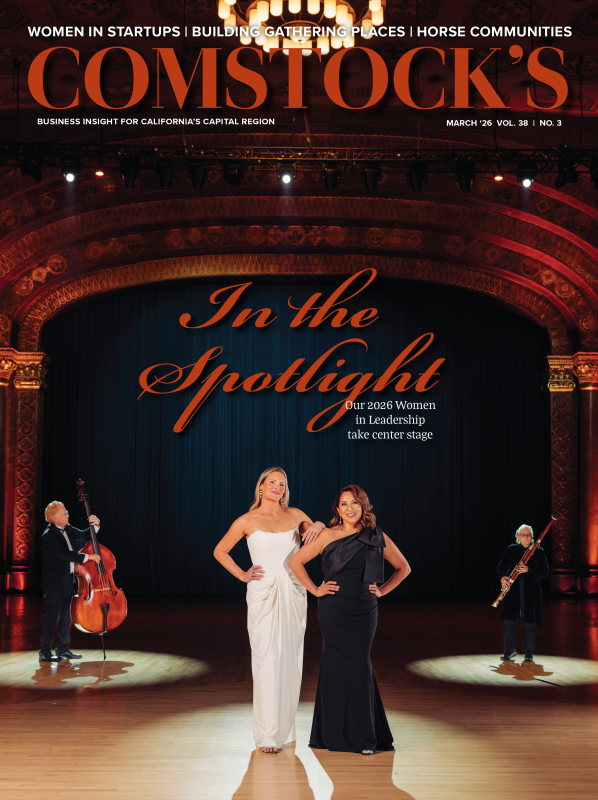
You’re in a conference room in Washington, D.C., standing in front of six judges. You’ve just finished pitching a big idea for your science and tech startup. The hard part, you tell yourself, is over.
And for some, it is.
The judges — men and women from the investment community — follow up with questions.
If you’re a male presenter, the questions tend to skew optimistic. How big could this get? What markets might open up? They’re searching for upside, for signs your business is worth betting on.
If you’re a female presenter, the tone shifts. The questions turn cautious. How will you mitigate risk? What’s your backup plan? How do you make sure this doesn’t fail?
This may sound like a hypothetical situation. But it actually happened in 2018 during a pitch-readiness workshop with 30 entrepreneurs, hosted by Janine Elliott, associate director for New Venture Resources at Venture Catalyst at UC Davis. The workshop was a mock forum, but the bias that crept in was very real. “Women came back to me after judging, basically questioning their sanity,” Elliott recalls.
The panel cut especially deep for Elliott because the judges were people she recruited personally for their diversity of expertise and perspectives. The female presenters couldn’t believe what happened.
“For them, it was this shock that in this day and age, this bias still existed, and they just saw it play out,” Elliott says. “It’s not like this is the 1960s and we’re all the cast and crew of ‘Mad Men.’ We thought we, as a society, had advanced past this level of bias. It was disheartening to see it play out in real time.”
From 2019 to 2023, the share of female-founded companies in the U.S. grew from 5.6 percent to 7.1 percent. That looks like progress, except startups founded exclusively by women received only 2 percent of total venture capital funding in 2023, according to PitchBook’s U.S. VC Female Founders Dashboard. That figure has barely budged in years, despite evidence that diverse teams often outperform non-diverse peers. This shows that women founders have been systematically underfunded and underrepresented.
Click here to read about the pivotal moments that defined three female-run startups. Click here to read about the pivotal moments that defined three female-run startups.
Elliott understands the nuances of this world, having founded a materials science company 15 years ago and coached some 500 innovators. She also knows awareness doesn’t always equal action.
“Organizations supporting women entrepreneurs are coming from a place of wanting to be helpful and supportive, but just because you want to be helpful doesn’t mean you’re effective,” Elliott says. “Are the outcomes actually different? Or is it just an emotional support system? What about that program cultivates networks of investors more likely to fund women?”
Accelerating opportunities
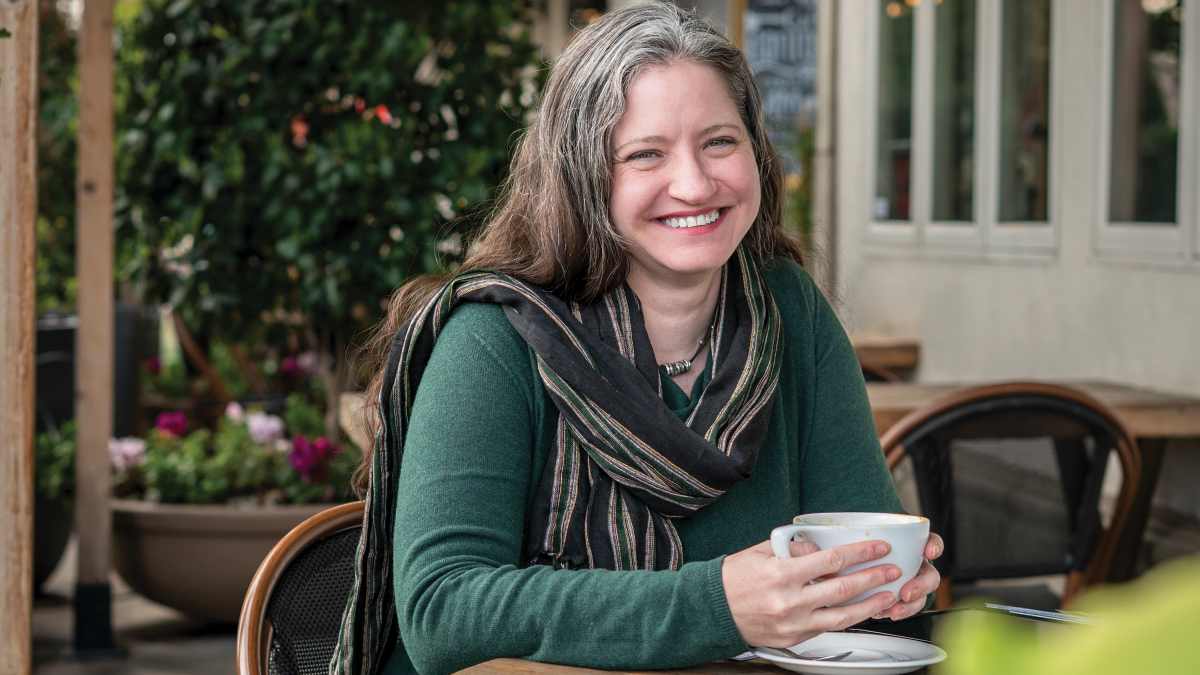
Before starting FourthWave, the Sacramento-based accelerator for women tech founders, Cheryl Beninga spent 20 years doing venture capital, where she saw most of the funds go to men.
“I could see amazing innovations being brought to market, but there was a big gap,” she says. “We needed more women in the room, more women in innovation.”
Cheryl Beninga started FourthWave, a Sacramento-based accelerator
for women tech founders, after seeing that most of available
startup funds went to men.
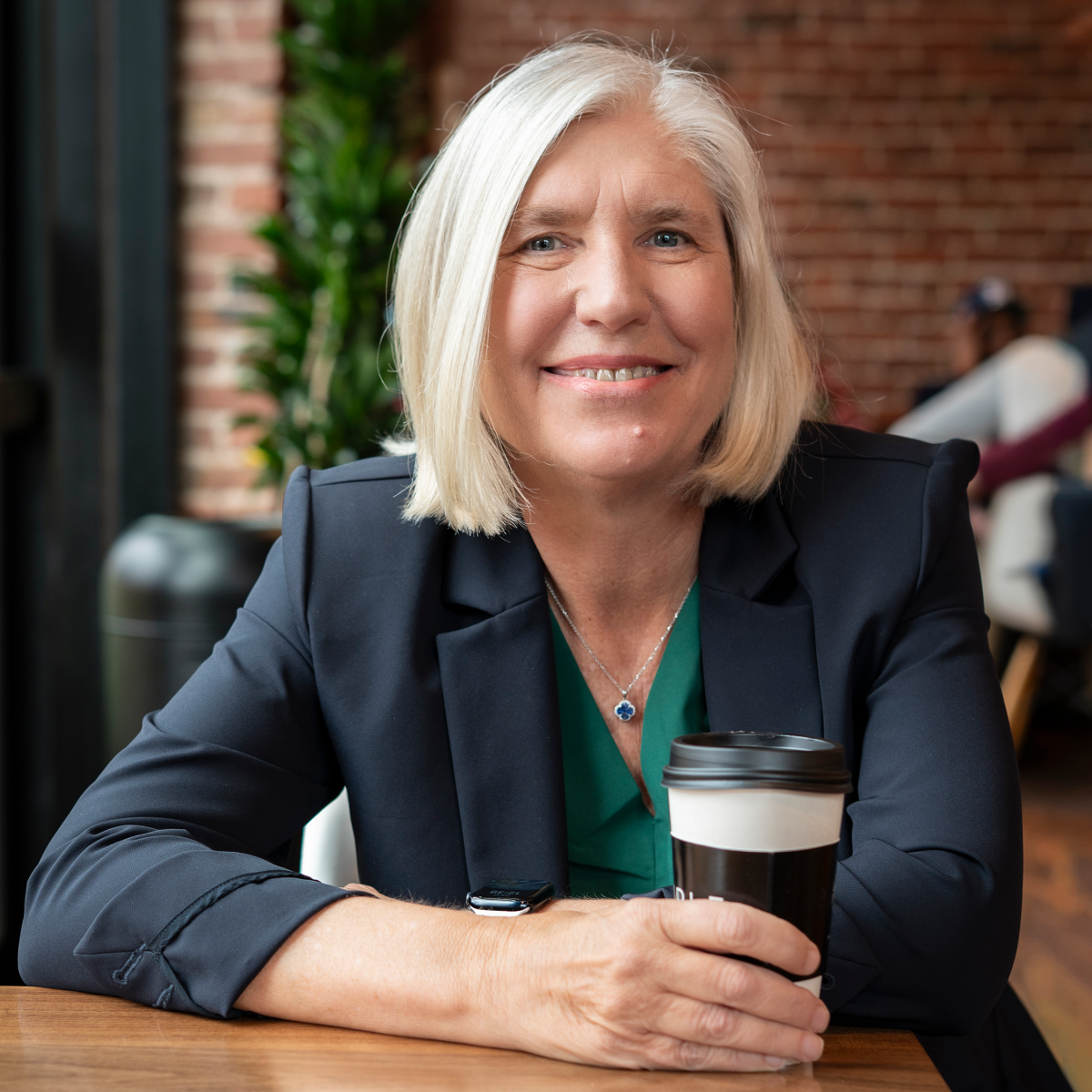
Nancy Perlman, who helped promote women in tech, reached out to Beninga in 2017 after receiving a RAILS grant. The first FourthWave cohort formed that same year, including entrepreneurs like Janine Yancey, who founded Emtrain, an HR compliance and training and data company.
In 2019, Beninga connected with the Carlsen Center for Innovation & Entrepreneurship at Sac State, which has provided ongoing sustainable resources. When COVID hit, she took the accelerator virtual and expanded the cohorts to include half from Sacramento and half from anywhere in the U.S.
Last year, the federal administration and political headwinds around DEI created challenges, Beninga says, and some portfolio companies have lost federal grants. “But everybody, no matter what political side you’re on, can support innovation and growth in the economy,” she adds.
That said, women founders face layers of stress beyond pitching ideas and raising money. There is also emotional labor, which intensifies for founders marginalized by race, neurodivergence, immigration status, and other factors that place them outside what the venture capital industry considers a “typical” founder.
“The emotional labor shows up as managing people’s perceptions to receive respect and likability in any professional context,” Elliott says, “and frankly, that’s frustrating.”
What does that look like? If a woman entrepreneur comes off as humble, that might appear to be a lack of confidence that turns off investors. On the other hand: “If they’re too confident because they’ve actually done all of their homework,” Elliott says, “there’s the possibility of coming off as ‘not coachable’ or being ‘difficult to work with.’ It’s unconscious on the part of investors, coaches and mentors. I don’t think anyone’s trying to be outwardly discriminatory.”
“Male and female advisors are equally valuable for these roles,” Elliott adds, “but going back to managing expectations, it’s crucial to recognize and set the tone for which hat each mentor is being asked to wear.”
3 Types of Mentors Women Entrepreneurs Need
- The Subject Matter Expert: An advisor or consultant who knows your industry and can guide you with strategies, resources and data to grow.
- The Champion: An outward-facing connector who opens doors and talks you up in various circles. “They see you as a rock star for the competence you bring as the leader you are,” says Janine Elliott, associate director for New Venture Resources at Venture Catalyst at UC Davis.
- The Confidant: Someone you can be vulnerable with, who won’t judge you for feeling frustrated, especially navigating male-dominated arenas. Note: Elliott suggests this role be a different person than the champion because “When you are struggling with a situation that feels really unfair, it doesn’t undercut the extent to which they think of you as a rock star.”
Leadership as a service
With more than 60 mentors, over 90 alumni, dozens of investors and community partners, FourthWave’s support network plays a key role in the success of each cohort.
“We are working in the community to increase the historically low rate of funding, lack of mentorship and financial support for women entrepreneurs,” Beninga says. “Women supporting each other and believing in each other makes a massive difference.”
Mentors, in particular, are really important. Each founder in FourthWave gets paired with a relevant business mentor, and many are FourthWave alums returning to give back. “Women who are successful mentors on a volunteer basis,” Beninga says. “You can’t underestimate how important that is.”
We are working in the community to increase the historically low rate of funding, lack of mentorship and financial support for women entrepreneurs. Women supporting each other and believing in each other makes a massive difference
– Cheryl Beninga, founder, FourthWave
For example, Pam Marrone, executive chair and co-founder of pest management company Invasive Species Corporation, is a serial entrepreneur. She has sold three companies and taken one public.
Through mentorship, Marrone has learned about various food and ag businesses different from her own. But she can guide them because these businesses face the same issues: raising money, scaling, IP, finding customers and partners.
“I always think I’m too busy to do this, but each experience reminds me how rewarding it is to be able to help these exceptional women entrepreneurs,” Marrone says. “The food and ag startups I mentored are tackling important problems with exceptional biological and biotech solutions.”
Environmental change
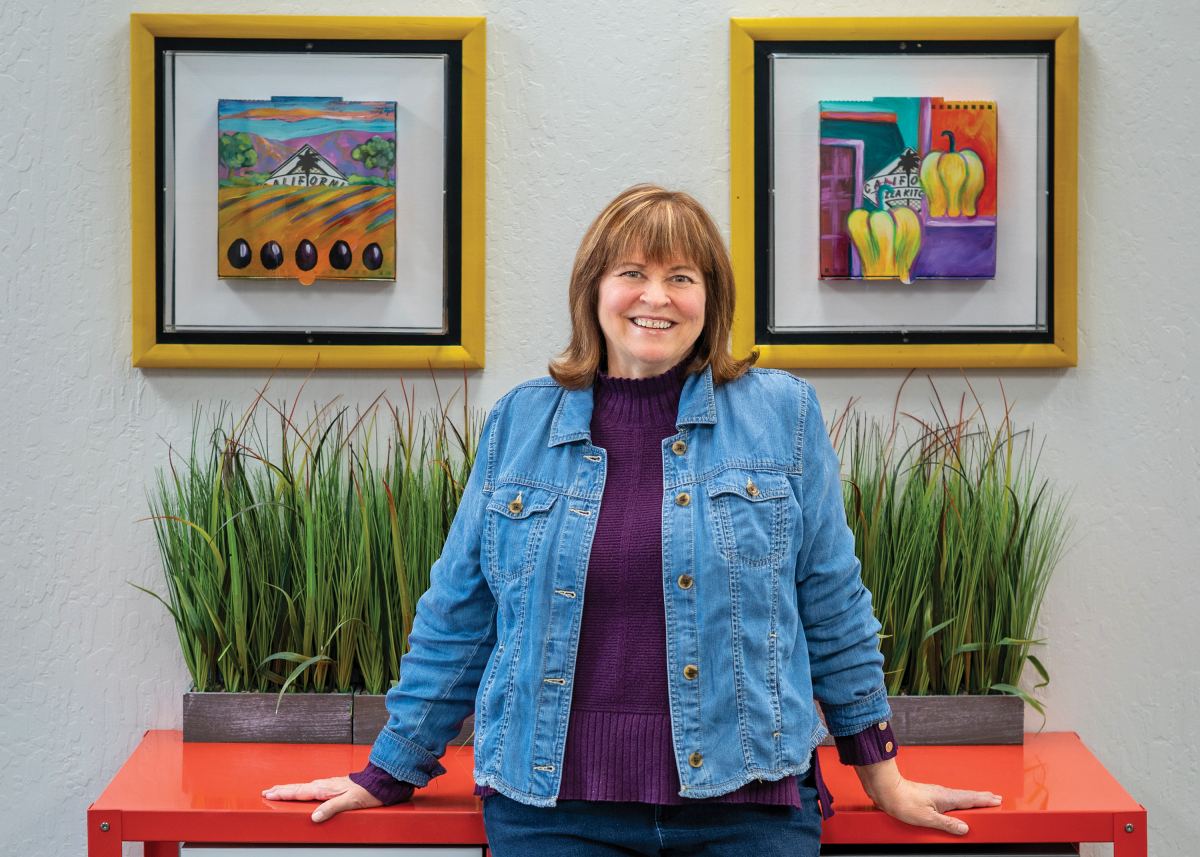
In 2013, Laura Good started organizing Startup Weekends in Sacramento, where entrepreneurs share ideas, form teams and build projects. She noticed a trend with the attendees.
“In a regular Startup Weekend, we’d have a low percentage of women attending,” says Good, who co-founded StartupSac in 2016. “But when we specifically said, ‘This is a women’s Startup Weekend,’ they came out of the woodwork and felt more comfortable in that environment.”
Laura Good started StartupSac 10 years ago. She’s pleased to see
more women participating now than in its early days.
The startup world has historically been male-dominated, from investors to mentors to tech teams. And this can be overwhelming.
“Women tend to communicate a little bit differently than men,” Good says, “but if a woman starts communicating like a man, then people don’t like that either.”
This disparity can affect a woman entrepreneur’s confidence, especially in pitch competitions. Qualified women often hesitate to apply or need encouragement, while men typically apply regardless of the criteria.
Over the past decade, Good has seen shifts. Organizations like FourthWave teach leadership and pitching skills, and research shows women-led companies often deliver better returns for investors, as highlighted in the documentary “Show Her the Money.”
Looking ahead, Good sees progress as older generations pass away and with younger investors more attuned to gender equity.
“I also feel like the bro culture of the early 2000s is kind of a dying thing,” she says. “Every now and then, I meet a founder who has that total bro culture thing going on, but you just don’t see it as much anymore. So I think it’s getting better, but it’s not resolved. It’s still something that needs definite attention.”
–
Stay up to date on business in the Capital Region: Subscribe to the Comstock’s newsletter today.
Recommended For You

A Quarter Century of Startups: Big Bang! Finalists Share $100K in Milestone Year
Checking in with past honorees of the UC Davis competition — some who’ve gone public, others who’ve pivoted careers
Today, the UC Davis Big Bang! awards ceremony honors 19 finalist teams with $100,000 in grants. For every founder that participates in the Big Bang, several of which have been spotlighted in Comstock’s Startup of the Month column and other stories, no path forward looks the same.

Standout Startups: How Did These Capital Region Entrepreneurs Succeed Where So Many Have Fallen Short?
It’s a wild ride that not everyone has the access, resources, means or the mentality to stomach. Most fall short. But since 2015, some startups in the Capital Region have defied the odds, reaching remarkable heights.
New UC Davis Research Center Will Help Central Valley Provide Food Sustainably
The Resnick Center for Agricultural Innovation will explore the future of food
Agricultural research is about to get supercharged at UC Davis, thanks to a $50 million donation from the co-owners of one of the biggest names in almonds, The Wonderful Company.
Startup of the Month: Nereid Biomaterials
Can biodegradable materials tackle the ocean’s plastic problem?
Nearly a decade ago, researchers issued a grim prediction: By 2050, plastic in the ocean would outweigh all the fish. Now, just 25 years away from that deadline, a tech startup named after sea nymphs in Greek mythology is turning the tide on the ocean’s plastic waste.