


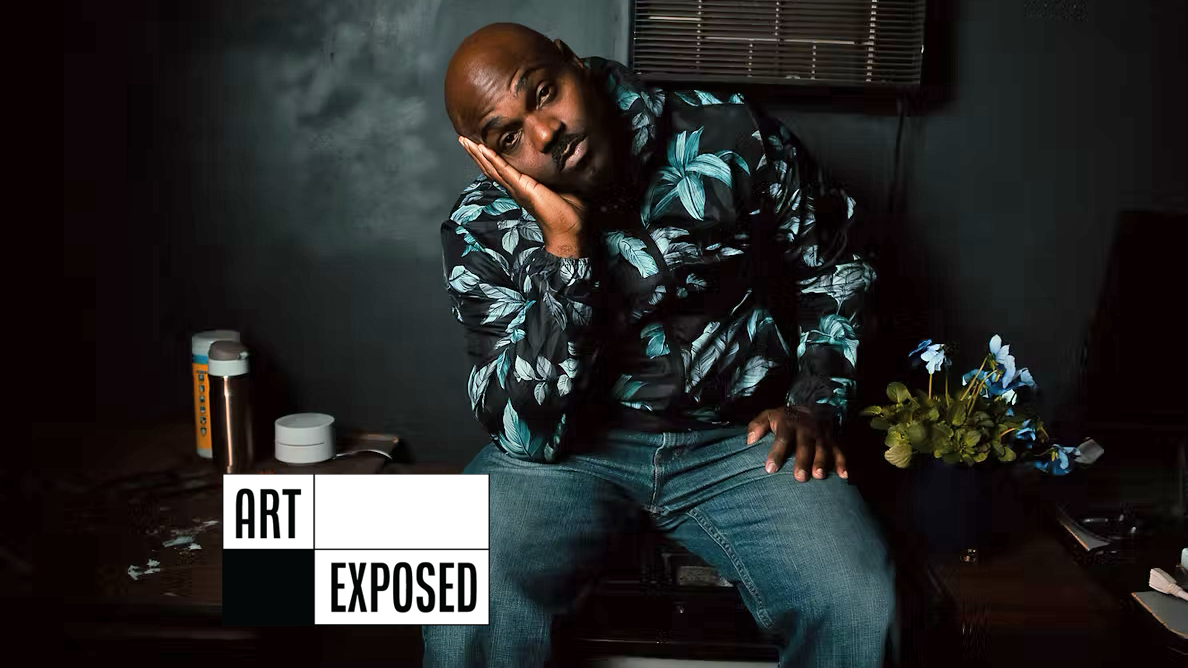
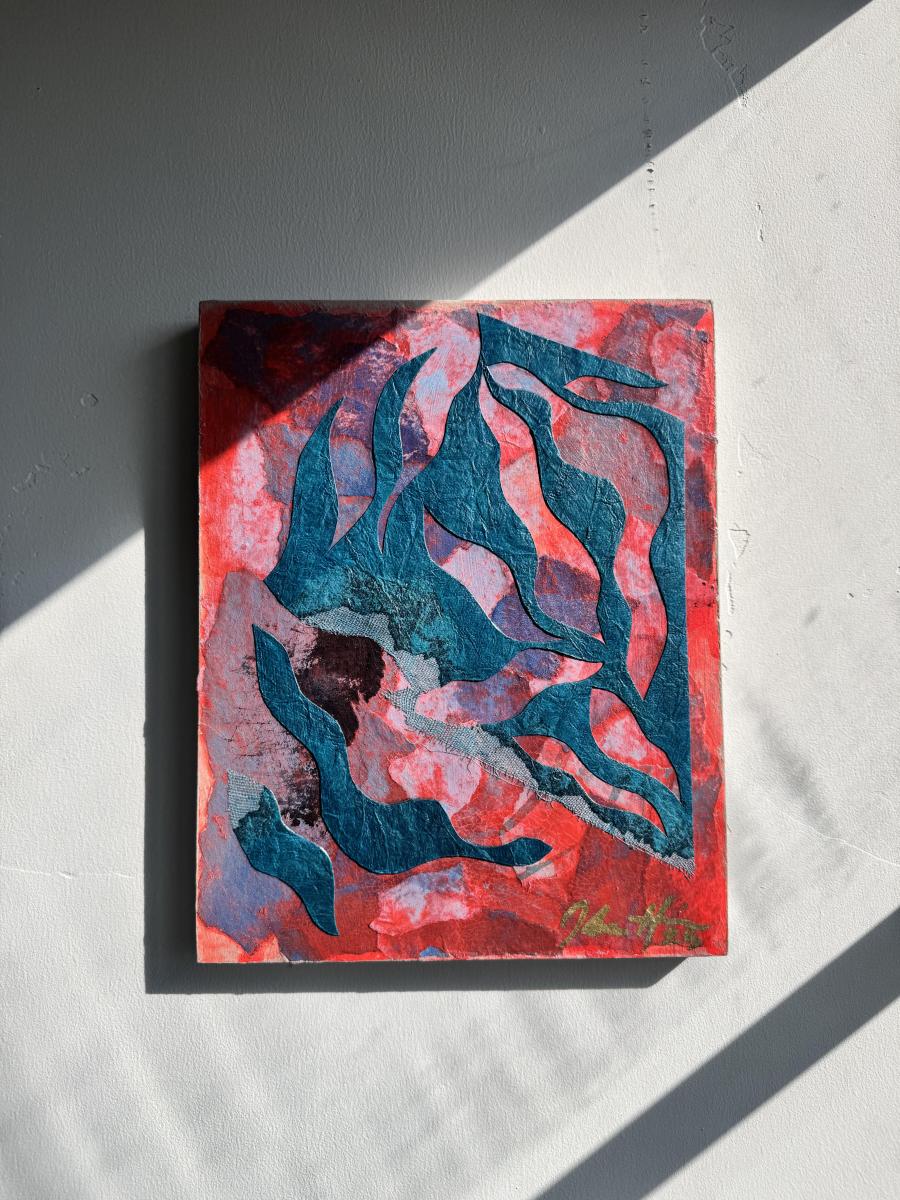
Sacramento-based artist Joha Harrison rarely tells anyone this, but there’s a topographical inspiration behind his abstract work. “In my mind, a lot of times I’m making a bird’s-eye view of an island,” he says, adding that the Louisiana Gulf Coast where he grew up “looks like an island. It has land, but also holes in the land where water is, as if inside an island or a little peninsula.”
“When I was younger, I used to draw the map of the state of Louisiana over and over in class,” he says. “I got so good at it that I could draw it and know all the ins and outs.”
Harrison uses several mediums to translate his memories and experience into art. After drawing and painting throughout his youth, he started his career as a photographer with a stack of disposable cameras, documenting the places, people and things he feared losing. As he grew into his practice, he professionalized his passion for photography and ventured into filmmaking. He also continues to paint and has works in private collections across the Sacramento region.
In this Q&A, the multi-hyphenate artist traces how photography taught him to use light, how the pandemic shutdowns accelerated his career as a painter and why the heart of the artist sits in conflict with the reality of needing to pay the bills. He also reflects on making work that is explicitly about Black identity alongside work that is more topographical and abstract.
What’s your artist origin story?
I’m originally from Baton Rouge, Louisiana. I moved to California in 2009.
My artist origin story starts in elementary school. I remember doing more artwork than schoolwork. Maybe that’s just the part I remember most, but I started in elementary school. We had schoolwide competitions, and I won several. After elementary school, I spent a lot of time doing sports. While I was focused on sports, I wasn’t really thinking about art.
Joha Harrison’s abstract work is often inspired by topography.
I started getting disposable cameras from local grocery stores because I wanted to take photos of everything I was about to leave — my life and everything. I had about 20 disposable cameras, and for three months I took photos of my friends and all the things I wanted to remember. That’s how I got started in photography.
After I graduated high school, I went to college and did photography for a church organization. That’s when I got my first camera. I went to Best Buy, bought it, and from there I started taking pictures of everything. Painting came later.
How did the shutdown affect your art?
Before that, I was mainly doing photography and film work. I painted, too, but it was more of a hobby. I made small pieces here and there. I started painting full time in 2019, around the time of the pandemic. When the world shut down, I said, “If everybody’s going to be stuck in a house, they want pretty things on their wall to look at.” That’s when I pivoted to doing art full time.
What does your film practice look like?
My film practice is a mix between documentary and experimentation. I like to tell stories that are interesting and maybe uncommon, and treat the images that you see like a painting that allows for experimentation within the frame. On the other side of film, I enjoy making montage videos that are abstract in form, made up of found videos and images similar to my abstract collages.
You play a lot with light in your images. How does that influence your work?
I’m at a point where I want to do my own photo shoots and create my own images to incorporate into my work. That takes longer than waking up and starting a painting.
I could use my own photographs, and I have used many of them before. Now I want to start creating new images. It’s fun finding images on the internet that speak to me, and they can come through in the work. But creating my own images has a bigger impact. Everything you see comes from me.
In photography, light is the main thing. Without light, there is no image. How I manipulate light is how I approach a photograph. Sometimes, at night, I’ll manipulate the light so the scene is dark and all you see are the lights. It depends on what I want to show. Some images need light to say what I’m trying to say, and some don’t need as much. However dim or dark it is, it creates a different mood and conveys a different message.
With painting, light doesn’t play as much of a role. It should, but it isn’t as active a factor as it is in photography. It’s not something I think about unless I’m trying to. In abstract work, placing light areas next to dark areas so they interact is part of it.
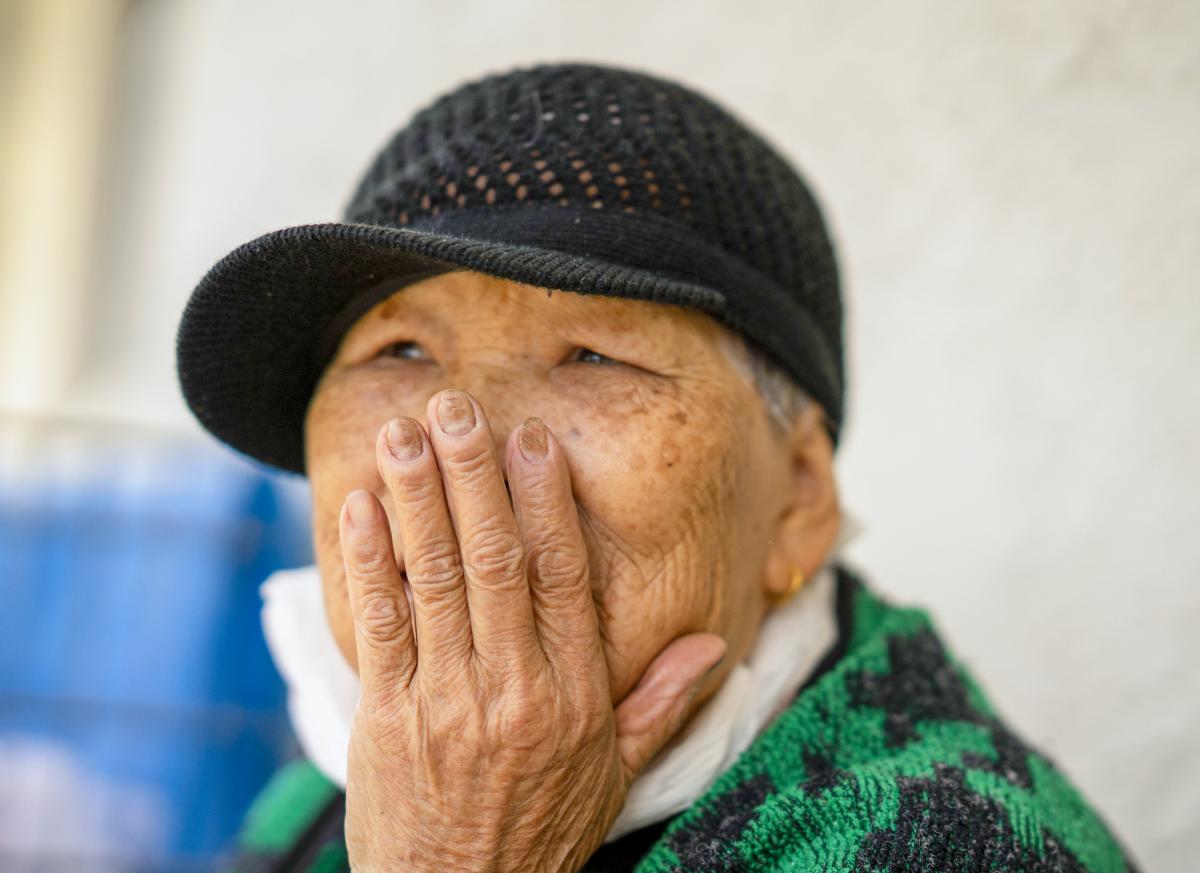
A photograph from Joha Harrison’s “Between Blinks” series.
Light in photography is instrumental and direct. Light in painting is instrumental, but less direct.
With your more abstract works, what are you trying to say when it’s not so obvious?
I’m drawn to abstract work because I can make something that means 10,000 different things to 10,000 different people. I’m not necessarily trying to deliver one message. I’m creating in a way that can reach a lot of people.
“Black Light” by Joha Harrison.
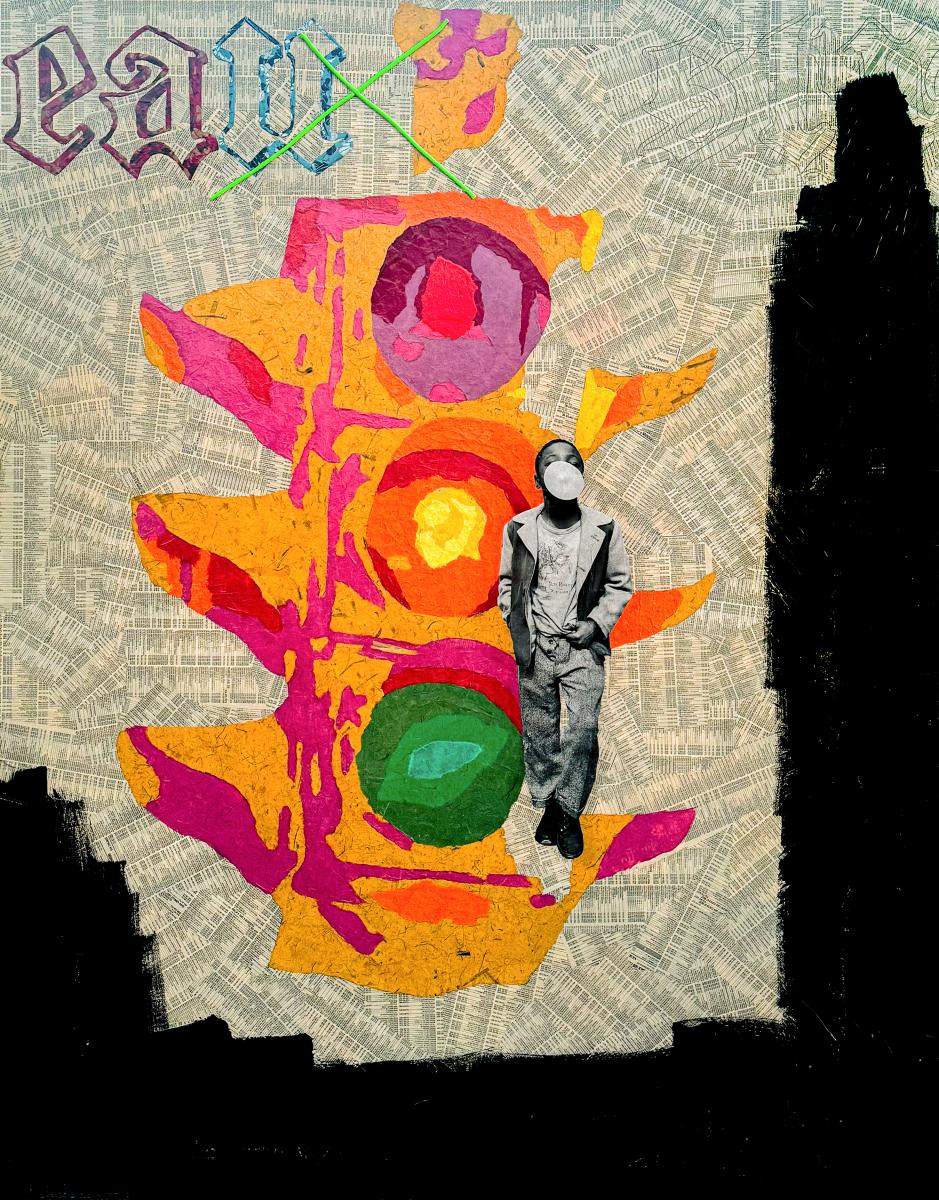
I’m trying to get what’s inside of me out. I do make Black art, too, and I want to speak directly to that. Growing up in the South and experiencing racism at very young ages shapes my work. My parents and grandparents grew up in that era. I grew up in an era where it’s more like residue racism, you can’t really see it as much as you used to, and it’s not as bold as it used to be. But those experiences shape my work and the things I want to tell, and the direction that I want to say something. It influences it on that aspect.
I also make abstract art, and that can speak to that and to everyone. … A lot of the work is subconsciously topographical. I like land masses and land forms, and also what it looks like on the map. Specifically, the deterioration and the erosion of the land from the water. It makes the landscape look less than perfect, and I like work that looks less than perfect.
If I feel like making something highly political or something centered on Black identity, that’s what I make. If I feel like making something purely abstract, that’s what I make.
Sometimes I mix them together.
You recently were in New York — were you working there, and what was that experience like?
I was doing corporate photography. Around the same time, I was in Illinois for a residency about two weeks earlier.
I started looking up things to do in New York because I had never been there. I planned to do the work, visit a few galleries and fly home. Then I saw that Kennedy Yanko had an opening while I was in town. I also saw the Armory Show, which I had only heard about briefly before that.
My flight was scheduled to leave that day, and I didn’t think I would have time. But I went to a gallery through a connection with local Sacramento artist Unity Lewis while I was networking in New York, and the staff gave me a VIP pass to the Armory Show. So I went.
It felt rushed. I didn’t realize it would take about an hour to get to John F. Kennedy Airport. I think The Armory Show opened at 9 or 10 a.m., and my flight was at 3 p.m.
I met an artist named Clarence Heyward who was showing with Richard Beavers Gallery. We talked, and I looked at his work. He told me about another fair, Works on Paper, and suggested that I check it out.
It was in a building by the river, near the Lower East Side. He told me to talk to Tanya Weddemire, a gallery owner from Brooklyn. I did, and I told her about my struggles in the art world and trying to figure out how to navigate it. She said I needed to understand what I wanted to do and make a decision.
I told her that I make abstract art and I make political/Black art. What I took from what she said was that I should make the work that comes from my heart.
This Q&A has been edited for length and clarity.
–
Stay up to date on art and culture in the Capital Region: Follow @comstocksmag on Instagram!
Recommended For You
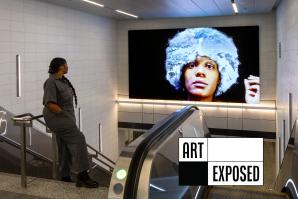
Art Exposed: Jessica Wimbley
A Davis-trained artist returns to the Capital Region after more than a decade in Southern California
Jessica Wimbley’s moving-image series “True Story of Edges,” which premiered in the 2022 exhibition “Coordinates,” invites viewers to question the politicization of Black bodies while evoking love, joy and compassion.
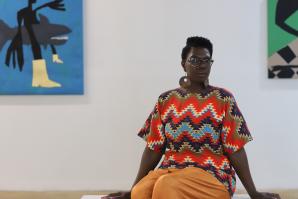
Getting to Know: Faith J. McKinnie
Gallerist Faith J. McKinnie is highlighting the work she wants to
see in her Midtown gallery that highlights contemporary art
by underrepresented artists.
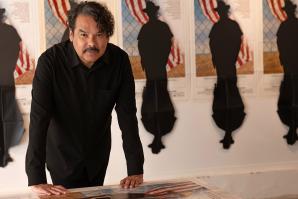
Art Exposed: Julio César Morales
A Mexican American artist explores the immigrant experience
Julio César Morales works in a variety of formats to tell complex, layered stories of human experience traversing the Mexico and United States border. His Manetti Shrem Museum exhibition opened in August and will be on view until Nov. 29.
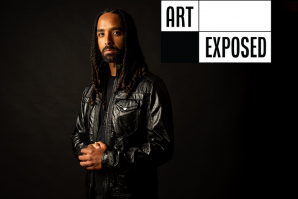
Art Exposed: Unity Lewis
A curator, artist and musician carries the legacy of his grandmother’s groundbreaking work documenting the Black experience
Unity Lewis recently curated a series at Crocker Art Museum that brought his grandmother’s book into the three-dimensional world by pairing works of artists from previous generations with their modern counterparts who will carry the torch.