


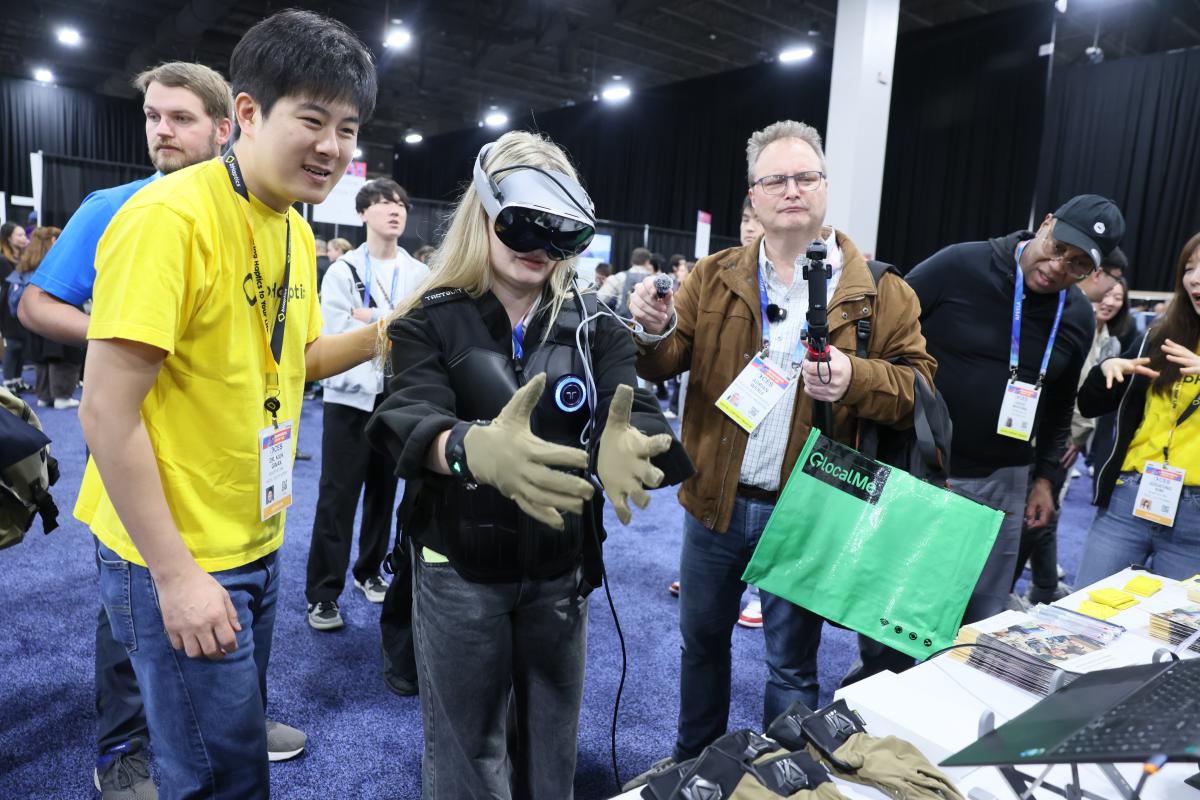
Robotic animals, AI toilets and several thousand other items were on display at the Consumer Electronics Show in Las Vegas Jan. 6-9. Spread throughout 12 venues hosting more than 4,500 exhibitors, the event attracted 148,000 attendees, according to organizers. Sacramento companies in attendance included CleaDeep Technology, EdgeLens AI, KoziSense, RiseLink, Superheat and Tiami Networks.
Attendees explore exhibitions at CES 2026. (Photo courtesy of
CES)
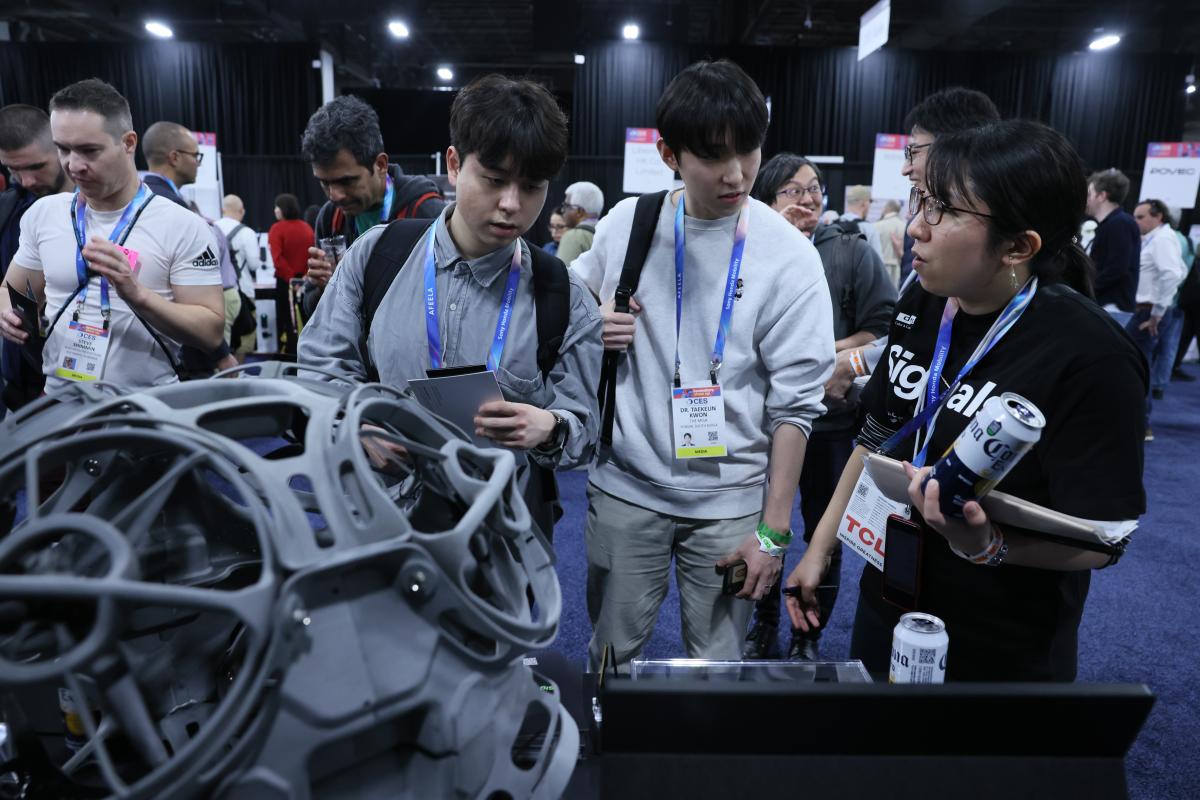
CES began in 1967 as an offshoot of the Chicago Music Show. The original exhibition had 200 vendors and about 17,500 visitors. Pocket radios and television sets with microchips were all the rage. Today, the extravaganza has expanded to a massive collection of wellness, entertainment and business technology advancements and over-the-top gadgetry. We attended to see how these advancements may affect our lives in the near future.
AI in everything
The long-gone fascination with transistor radios and RCA Victor Color televisions has morphed into television eye candy. Technology portrayed in futuristic films “2001: A Space Odyssey” (1968) and “A.I. Artificial Intelligence” (2001) arrived years ago. It reached its saturation this year at CES. Shiny human-sized cyborgs, robotic lawn-care machines and AI eyewear got top billing and plenty of quick-hit television network coverage.
The Las Vegas Convention Center, one of several exhibition hubs, was abuzz with hundreds of products, many incorporating AI into their names or descriptions. The Venetian and Mandalay Bay hotels were the same, with mobile device hacks, health care and technology all major trends.
Mainstay brands BMW, Bosch, Brunswick, Caterpillar, John Deere, Oshkosh and Samsung had their annual berths. Lesser-known household names such as Doosan Bobcat, Dreame Innovation Technology, Pliyt and SwitchBot, had equal billing.
The Throne One, a smart toilet camera attachment, clips onto the
side of a standard toilet bowl and uses a camera and sensors to
analyze bowel movements. (Photo courtesy of Throne, Inc.)
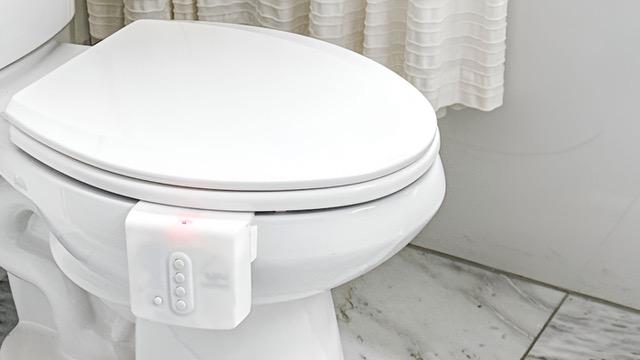
Kohler, Throne and the Vivoo Smart Toilet were displayed in the bathroom business sector. The toilet cameras were ripe with catchy marketing phrasing, such as “Throne One is a wearable for your toilet” to “private gut health coach” to taking a “snapshot of your digestive health.”
Throne One details its specialty as a device that processes data from the camera and audio from your toilet bowl through computer vision models.” Its data comprised health and hydration data from bathroom visits.
It’s simple, the company relates: “Unbox, pair your phone to the contraption attached to the side of the toilet and go. Throne does the rest, tracking habits, hands-free.”
Nearly a dozen companies showcased smart glasses, Ray-Ban Wayfarer and lookalike styles, to Clark Kent offerings with thick, full-rimmed frames.
Rokid and other brands under the category of “smart glasses” are equipped with Waveguide or tiny projectors and specially etched lenses. Information is displayed in front of the wearer’s eyes. The glasses connect wirelessly to the user’s phone to decipher information and manage language translation, navigation and voice control.
Human connections
A few years ago, the Food and Drug Administration implemented a rule allowing hearing aids to be sold directly to consumers without an exam or fitting by an audiologist. Several companies, including Elehear, now showcase their products at industry shows.
With the tagline “Hear The Future,” Elehear promoted a “deep-learning system” and “real-time AI translation.” Bulky contraptions with short-term microscopic, short-life batteries are passe. Behind-the-ear, discreet aids with mini clear ear canal wires are standard. Remote hearing tests and Bluetooth capabilities further diminish audiologists’ involvement. Prices are as low as 10 percent of previous industry standards.
The Lymow One Plus is a “boundary-free” robotic lawn mower made
by Lymow Tech. (Photo courtesy of Lymow Tech)

Lymow Tech showcased the Lymow One Plus, “The Robotic Mower That Actually Works.” It’s marketed as “revolutionizing yard maintenance with smart robots. The humanless lawnmower has a maximum daily coverage capacity of 1.73 acres. It has “intelligent obstacle avoidance,” “advanced path planning” and a lifespan of 2,000 charge cycles.
There was also a rebuttal to the AI overload. A company called The Basic Phone has joined a trend in which mobile phones are limited to one screenpage of applications.
Marketed with the catchphrase “focus, private, simple,” The Basic Phone is offered by Bouchard Industries. “Gone are the days of doom scrolling wasting away precious time,” the company offers.
A vertical vinyl player by Fuse Audio is part of a broader
nostalgia trend in tech. (Photo courtesy of Fuse Audio)
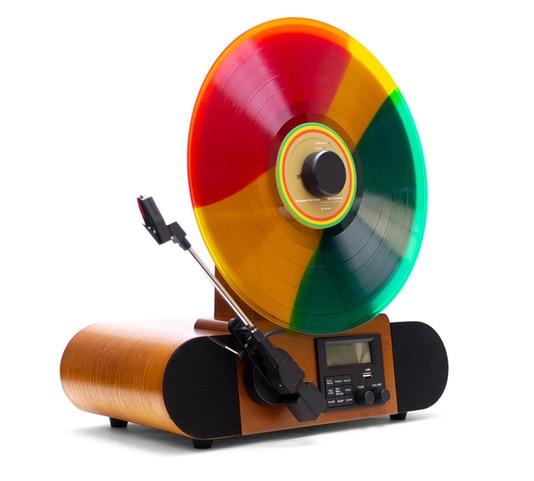
Fuse Audio is among several companies with a lineup of vertical vinyl record players. It was a concept approach as a small dwelling space saver a century ago and re-emerged in the 1950s. And it’s back is a high-quality phonograph, tipped on its side. Its retro look and operation are straightforward and, if nothing else, a conversation starter at slow-moving cocktail parties.
And then there’s RadioShack. The versatile electronics retailer debuted in 1921 and during its heyday operated more than 7,000 locations worldwide. It filed for bankruptcy in 2015 and 2017, and about 80 retail stores remain.
However, RadioShack’s online business remains robust, and a sizeable group of representatives staffed a large exhibit at CES. Its motto promoted on social media platforms during the show read: “We’re showcasing innovation, introducing new products, and presenting a renewed lineup designed around everyday tech.” AI technology is not its message.
Correction Feb. 3, 2026: A previous version of this article said that CES 2026 included John Madden football videos. John Madden football videos appeared at CES in the 1990s.
–
Stay up to date on art and culture in the Capital Region: Follow @comstocksmag on Instagram!
Recommended For You

The Future Of Electric Vehicles Is Taking Shape in Sacramento
From quiet motorcycles to vertical takeoff airplanes, the Capital Region is becoming a hotspot for EV innovation
Companies in the Capital Region are vying to become the replacement for internal combustion in markets far beyond consumer vehicles.

Companies Are Racing to Fuel and Cool AI
Data centers that power AI use massive amounts of water and electricity. Here’s how companies are working to reduce their strain on resources
In a region like Sacramento, where the grid strains under demand and droughts loom, some critics see data centers as hulking, water-hogging threats to local communities.

As AI Spreads, Sacramento Writes the Playbook for the Nation
With no federal AI law, the Golden State’s decisions may ripple nationwide
Around the world — including in the Capital Region — individuals and organizations are figuring out how AI might help or hurt them. And while the future is being built over in Silicon Valley, the decisions about how to govern the technology fall squarely on Sacramento.
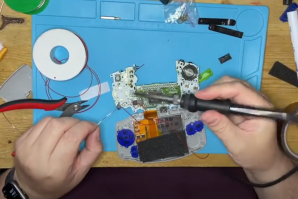
Inside California’s Retro Video Game Modding Scene
Modchips and fan games can cross legal lines—but for some, it's a passion worth the risk
Selling modified video games and consoles is illegal but typically unenforced. The fear of a lawsuit from a big tech company is enough to scare away established retailers. A few side-hustlers in the Capital Region take that chance and operate in a gray market.