


This story is part of our April 2026 issue. To read the print version, click here.
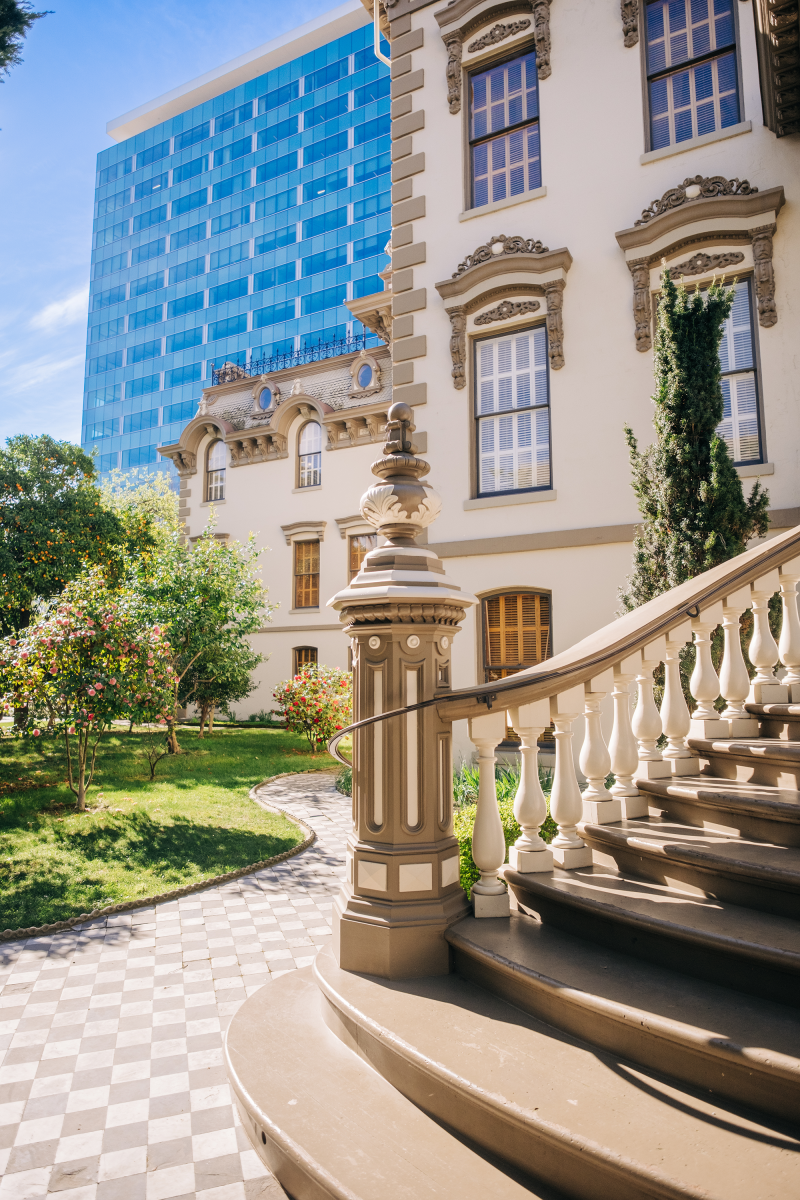
Tucked amid modern steel-and-glass towers in downtown Sacramento sits a striking survivor from the Gilded Age, a house treasured as much for its historical significance to California as for its architectural grandeur. The Leland Stanford Mansion is a California State Park, a National Historic Landmark and the oldest house open to the public in Sacramento.
The mansion played a significant role in the early development of California, and today it serves as a house of protocol, hosting state dinners and legislative events, in addition to serving as a museum.
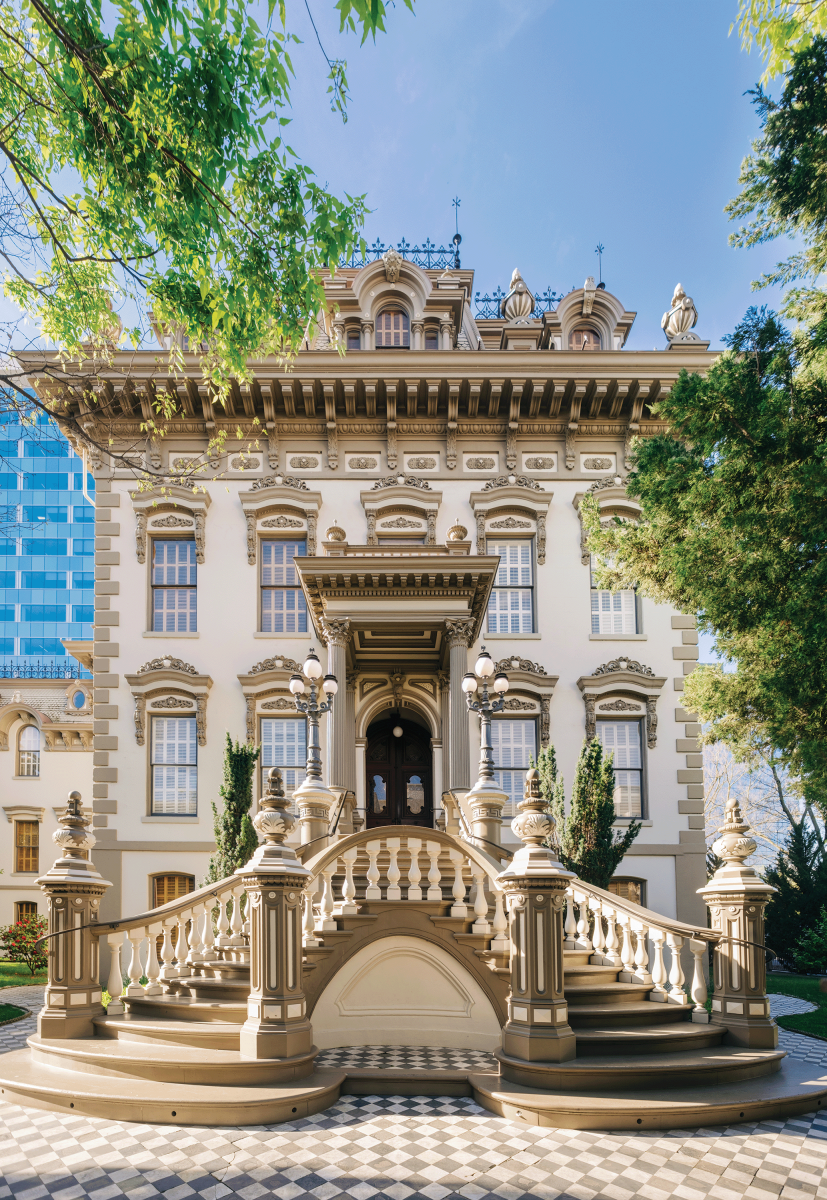
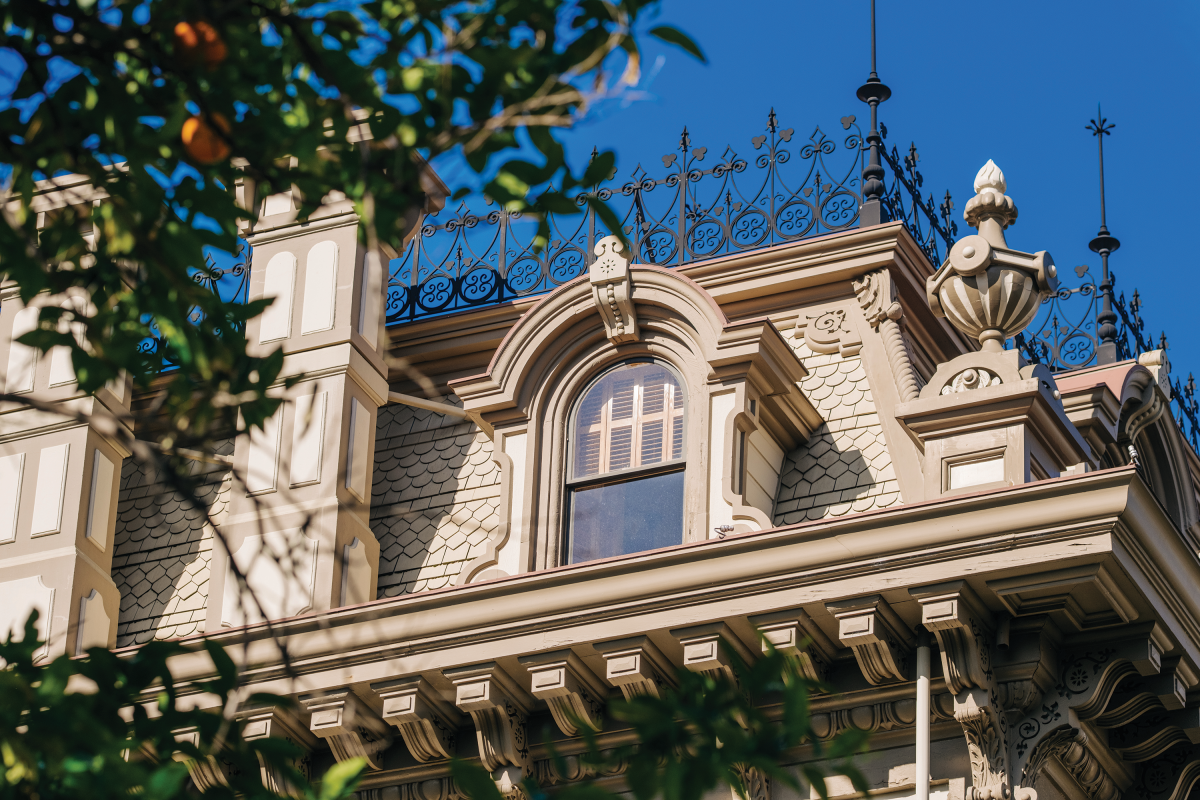
The commanding facade of the Stanford Mansion is an amalgam of
Renaissance Revival and French Second Empire architectural
styles.
Stanford drove the ceremonial golden spike at Promontory Summit in Utah, linking Sacramento to the East Coast to complete the transcontinental railroad in 1869. He later served as a U.S. senator and, along with his wife, Jane Lathrop Stanford, founded Stanford University in memory of their beloved son, Leland, Jr., who died at the age of 15.
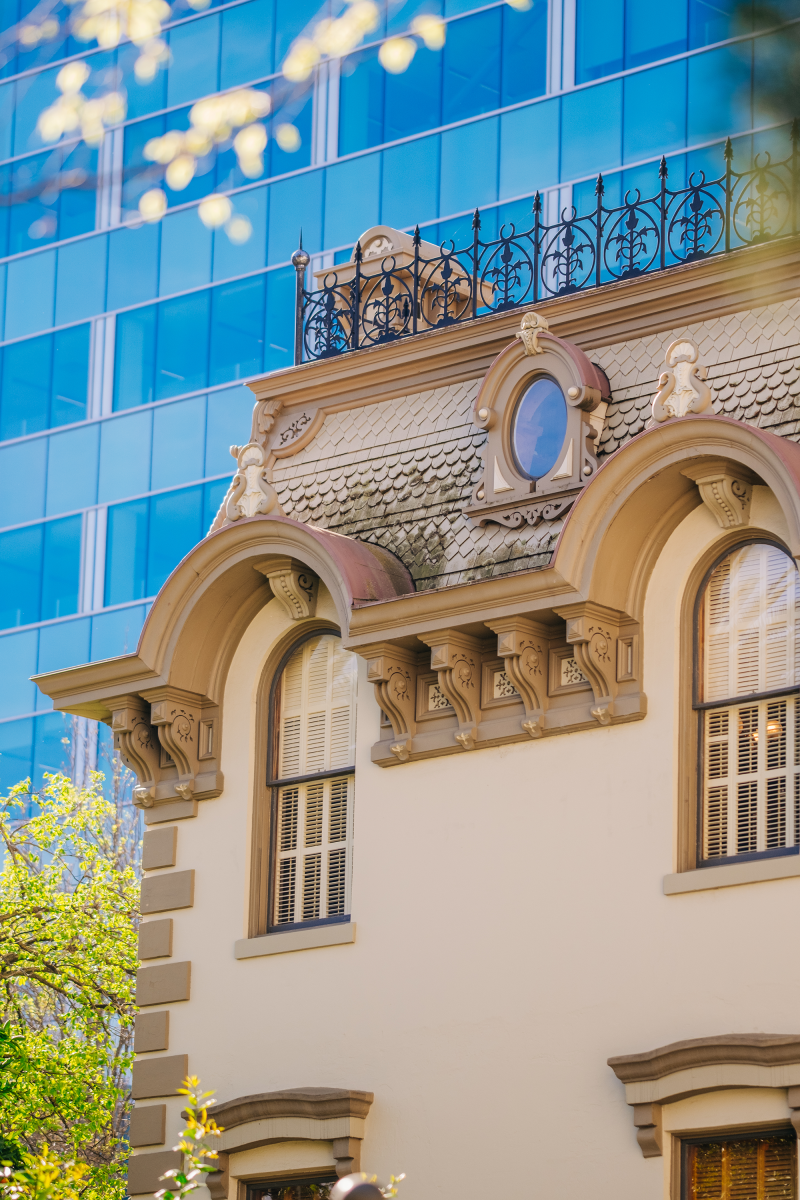
The mansion was built in 1856 for Sheldon Fogus, another Gold Rush merchant. Architect Seth Babson designed the house in the Renaissance Revival style favored by the wealthy elite in the mid-Victorian era. Five years later, the Stanfords bought the home for $8,000 (equivalent to $295,000 today). They remodeled the home twice, transitioning it to the emerging French Second Empire style, often characterized by a multi-sided mansard roof with dormer windows and ornamental ironwork.
The couple moved in shortly before the Great Flood of 1862, the worst in California history. It rained for 43 days, turning much of California into an “inland sea,” according to historical records. (Stanford famously traveled by rowboat to his inauguration.) They began renovating the house when the water receded, adding an official wing used by three governors before the State Capitol was built in 1874.
The Stanfords renovated again in 1872, expanding from the original 3,000 square feet to a monumental 19,000. As most Sacramentans did at the time, they lifted their house 12 feet to avoid future flood damage. This added an extra level below the original two-story house. They also added a three-story cross-wing, a service wing and a mansard roof, which created a fourth floor, encompassing 44 rooms in all. The entire renovation was completed in five and a half months. An early California magazine called it “the perfect specimen of a residence.”
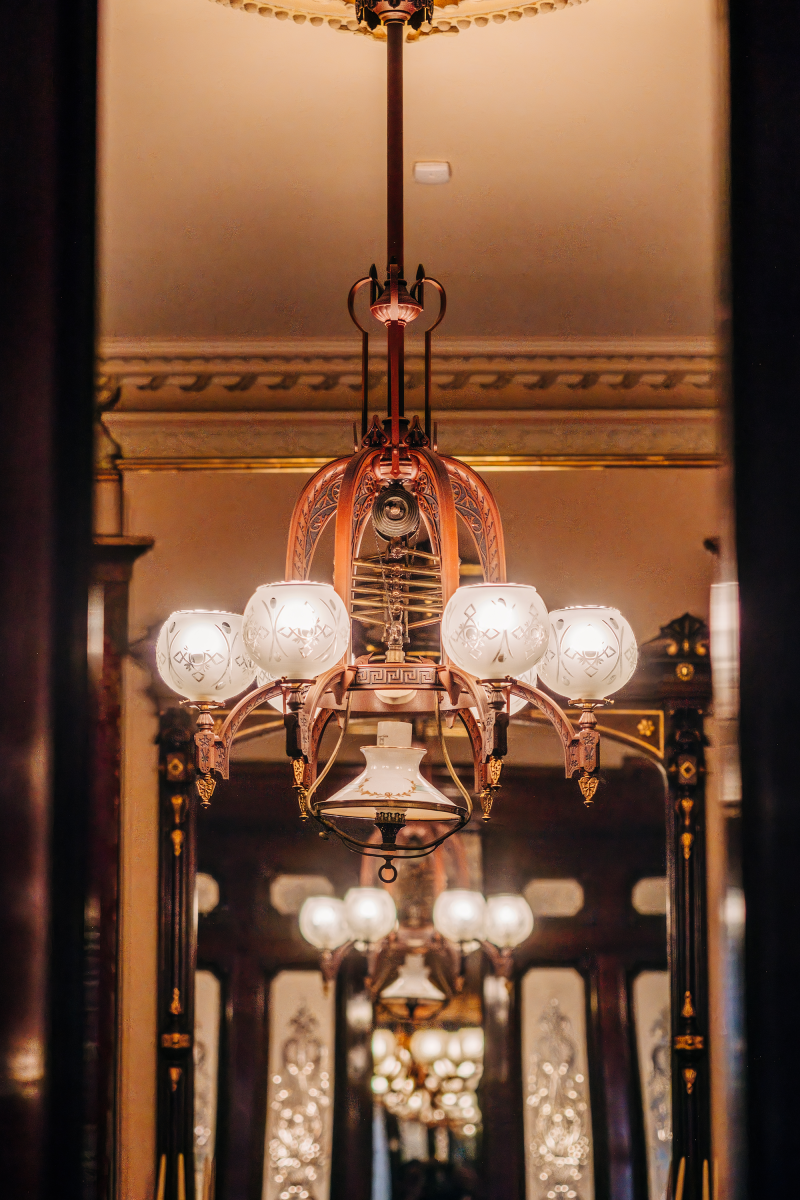
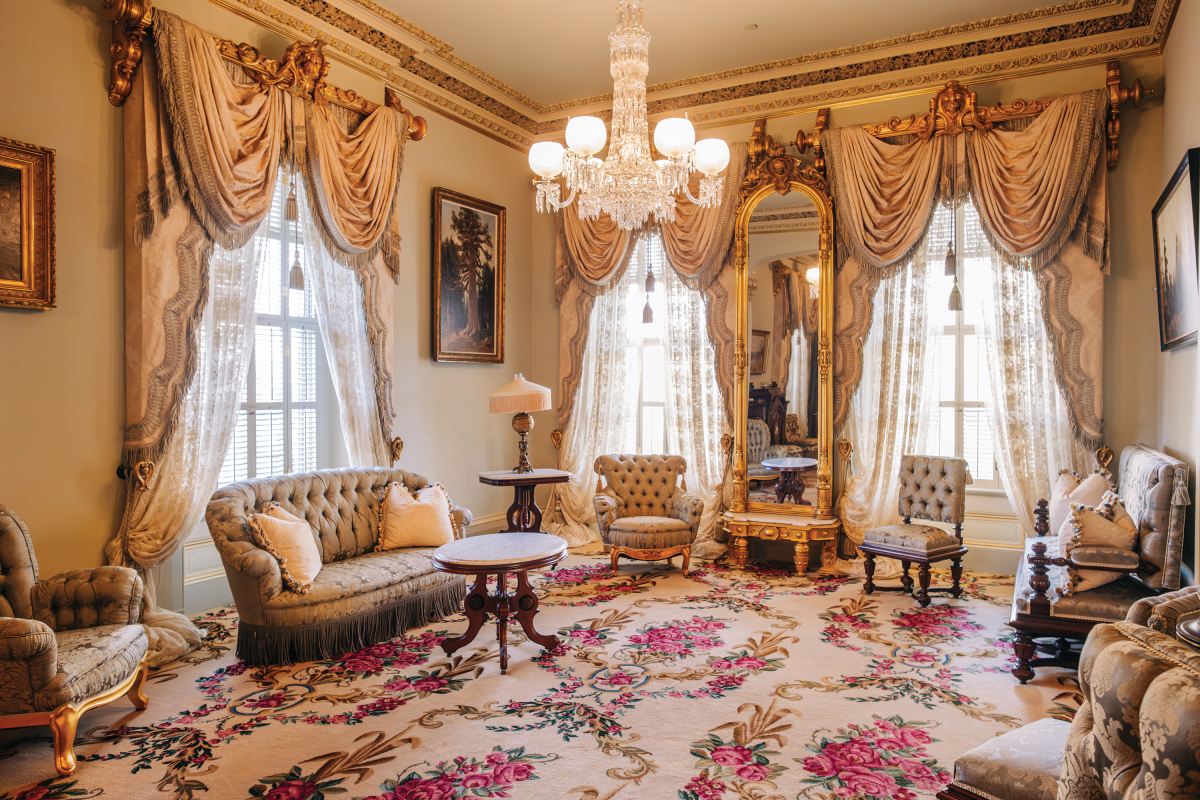
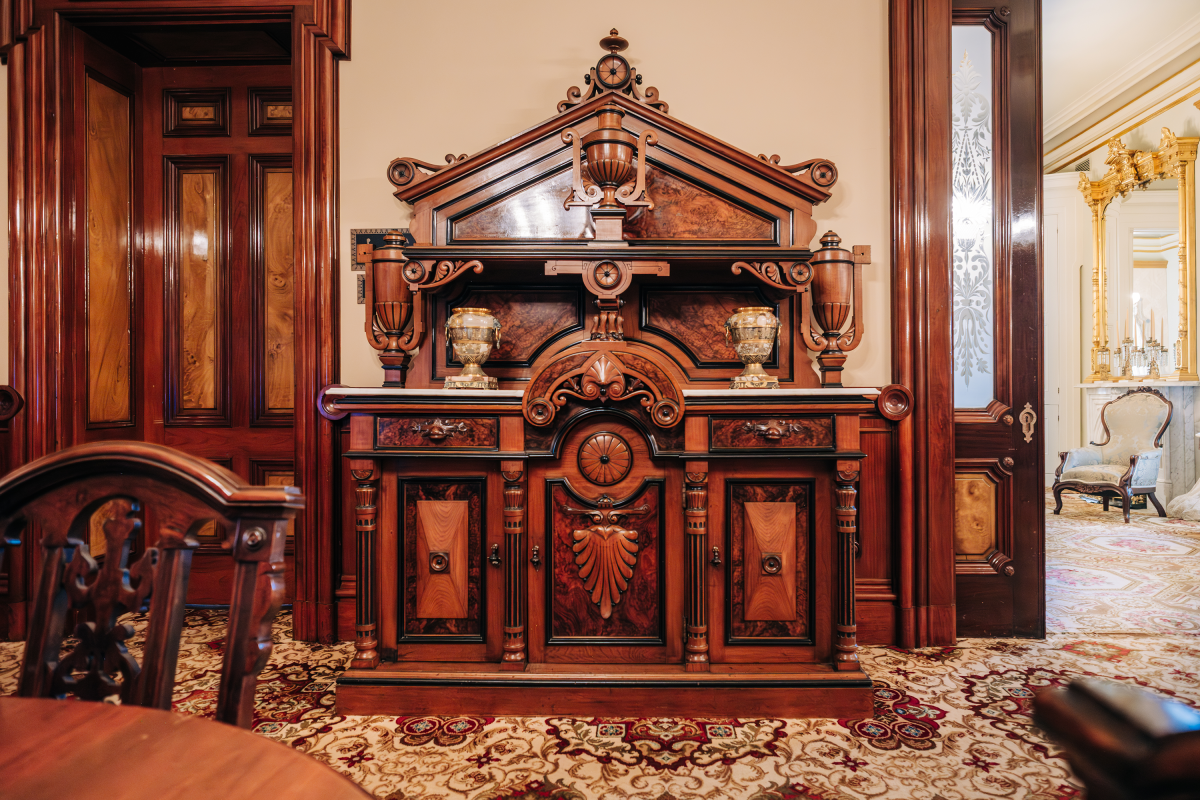
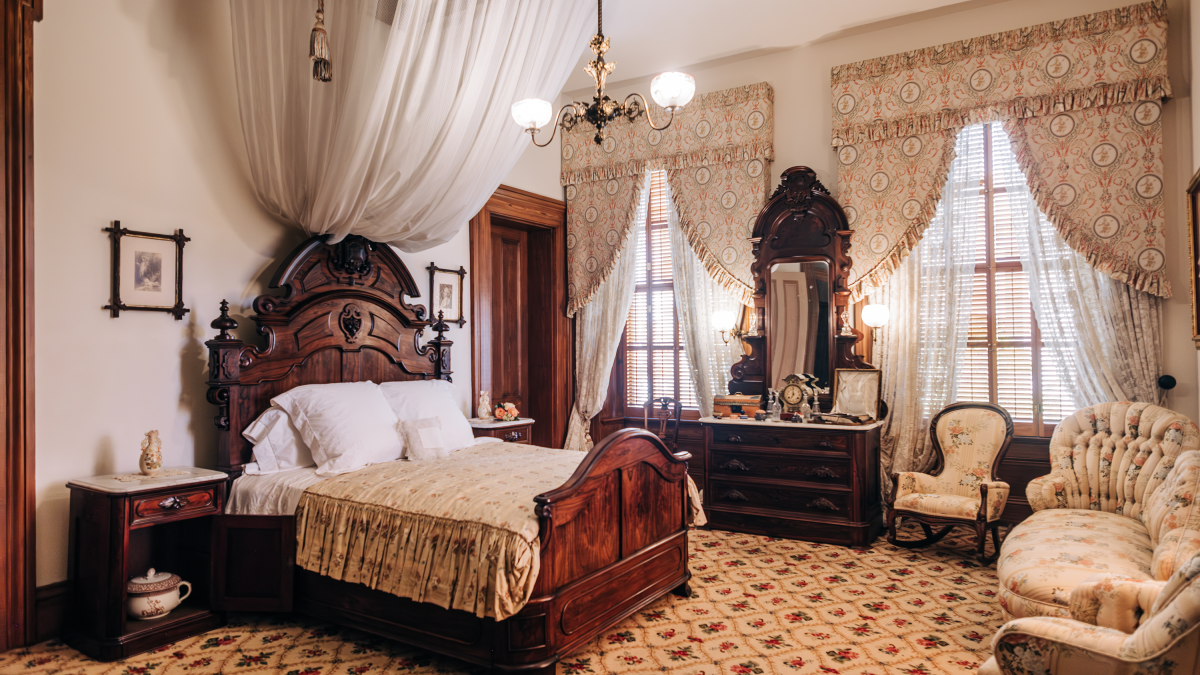
Throughout the house, there is gleaming woodwork, etched glass, wall-to-wall carpet and thousands of yards of brocade and European handmade lace curtains. The gentleman’s parlor features plaster egg-and-dart molding, with each “egg” framed by a horseshoe motif — a reference to Stanford’s love of horses. Intricately carved sideboards and ornate table legs allude to locomotives, a nod to Stanford’s railroad empire. State-of-the-art amenities include an en suite master bathroom with hot and cold running water and a flushing toilet — the pinnacle of luxury in 1872 — and gasolier fixtures that could be pulled down to eye level for easy lighting.
Stanford, always at the forefront of innovation, hired photographers twice to document the mansion’s opulent interiors. One of them, Eadweard Muybridge, later became famous for his “The Horse in Motion” study, widely considered the precursor to the motion picture. This historic study, commissioned by Stanford, began in Sacramento at Union Park racetrack, located in what is now Boulevard Park.
By 1978, the house was showing its age, and the cost of maintenance was too much to bear. At that time, the State of California bought the property for the dual purpose of preserving it as a state park and using it as an official reception center for diplomatic events. The state purchased the house and the entire trove of original furnishings for $2.2 million.
Stanford’s commissioned photographs, which had been stored in the Stanford University Archives for over a century, proved crucial to the modern-day restoration of the mansion. The 14-year project was completed in 2006 at a cost of $22 million.
While many Victorian houses were lost to modern redevelopment, tour guide Ryan Sazima points out that Jane Stanford’s desire to leave the home for orphans likely saved the house from almost certain demise. Even in the face of unrelenting progress, evicting nuns and orphans was never deemed acceptable. This, along with the preservation movement that emerged in the 1970s, ultimately protected the house, preserving its legacy while its history continues to be written.
–
Stay up to date on business in the Capital Region: Subscribe to the Comstock’s newsletter today.
Recommended For You
Take a Look Inside Sacramento’s Grooviest House
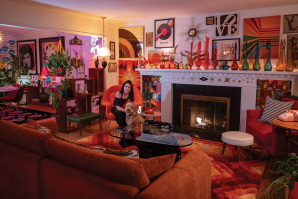
Interior designer and vintage dealer lives in Technicolor dream home
Inside an unpretentious ranch-style house in South Land Park lies a hidden utopia of Mod design. Boldly colored statement chairs placed in front of the tasteful charcoal-grey exterior are the only clue to the astonishing display of vintage treasures found within.
This Little House With Big Heart Is a West Coast Anomaly
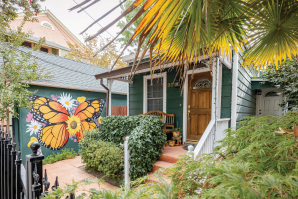
Renters are called to the tiny Victorian with a touch of Southern comfort in Sacramento
The “Little House” is the last remaining of four that once stood in a row on 22nd Street. It is a rare West Coast example of a “shotgun house,” reflecting the idea that a bullet could travel through the front and out the back door without hitting anything.
This Architectural Treasure in Nevada County Was Nearly Lost to Time
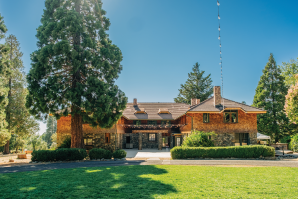
Now volunteers are restoring it to its former glory — and sharing its pioneering history with the world
North Star House, designed by renowned 20th-century architect Julia Morgan and owned by North Star Historic Conservancy, has undergone a painstaking transformation.
The California Modernist Dream Is Alive in Sacramento’s Newest Historic District
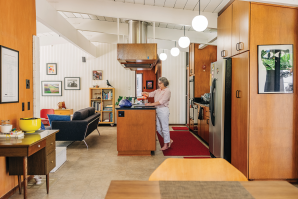
Step inside an emblematic Midcentury home in South Land Park, designed with a social conscience
The interior retains many of its original “Eichler” features, including pristine globe light fixtures and mahogany-paneled walls.