


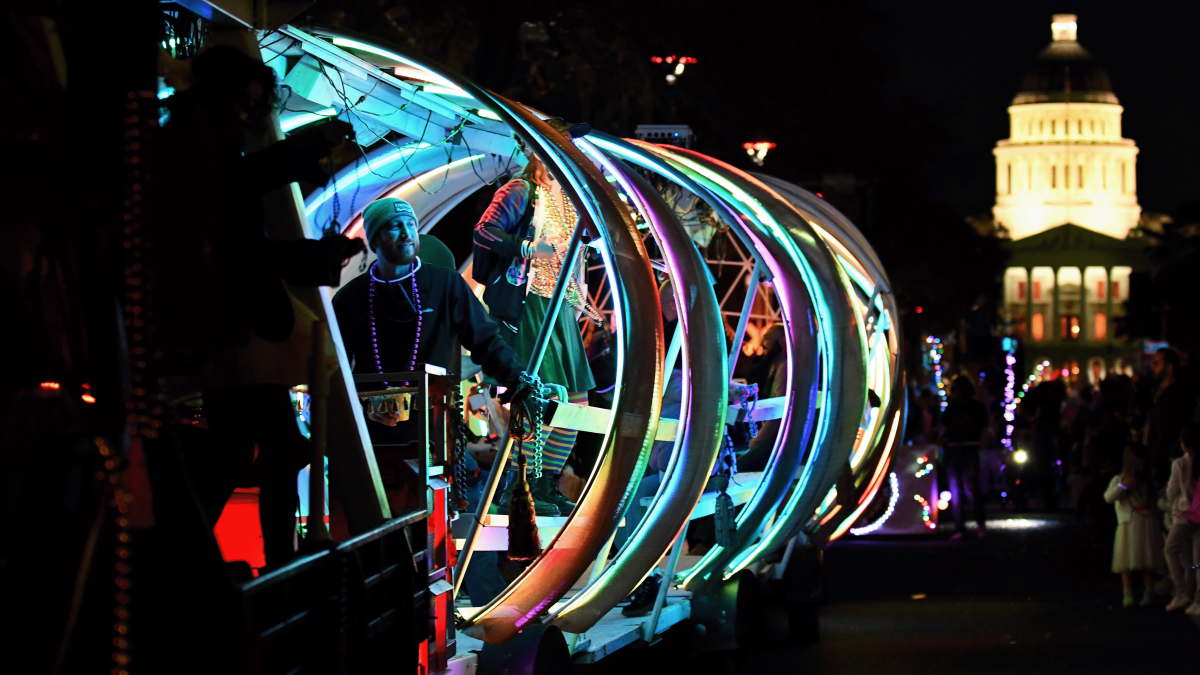
Marching bands, floats and Burning Man performers will share space with lion dancers, áo dài fashion shows and “KPop Demon Hunters” cosplayers at two combination Lunar New Year and Mardi Gras celebrations this month.
First, Elk Grove’s annual Lunar New Year festival and parade will take place Feb. 14-15 at Elk Grove Regional Park, this year billed as 2026 Lunar New Year Tết Festival & Parade Introducing Mardi Gras and Asian Cajun Village. A few weeks later, the City of Trees Parade and Mardi Gras Festival will return to downtown Sacramento Feb. 28, featuring Lunar New Year elements along with performers from the city’s Burning Man contingent.
Organizers say the fusion of traditions from Louisiana, East and Southeast Asia, and Burning Man’s Black Rock City is a perfect fit for the Capital Region’s diversity. Here’s a preview of what you can expect at February’s most colorful events in the capital.
Bringing ‘Asian Cajun’ to Sacramento
Sue Ramon, known as “Louisiana Sue,” has been organizing Mardi Gras events for nearly 40 years. A native of the historic city of Chalmette near New Orleans, Ramon has already brought heritage parties from her hometown to Old Sacramento, Yuba City, Rancho Cordova and the Delta city of Isleton. Sometimes these bashes are Mardi Gras parades; other times they’re crawdad cooking festivals. In either case, Ramon always finds fellow “NOLA” transplants to help make the food and vibes authentic.
With so many parties under her belt, Ramon is particularly excited to be working on a new endeavor around Sacramento-area Mardi Gras. It was set in motion when two organizations, the Vietnamese American Community of Sacramento and the Community Partners Advocate of Little Saigon, decided that Elk Grove’s annual Tết observances should have some Crescent City ingredients thrown in. VACOS and CPALS recruited Ramon and veteran publicist and radio personality Jimmy T. Chong to help develop the idea.
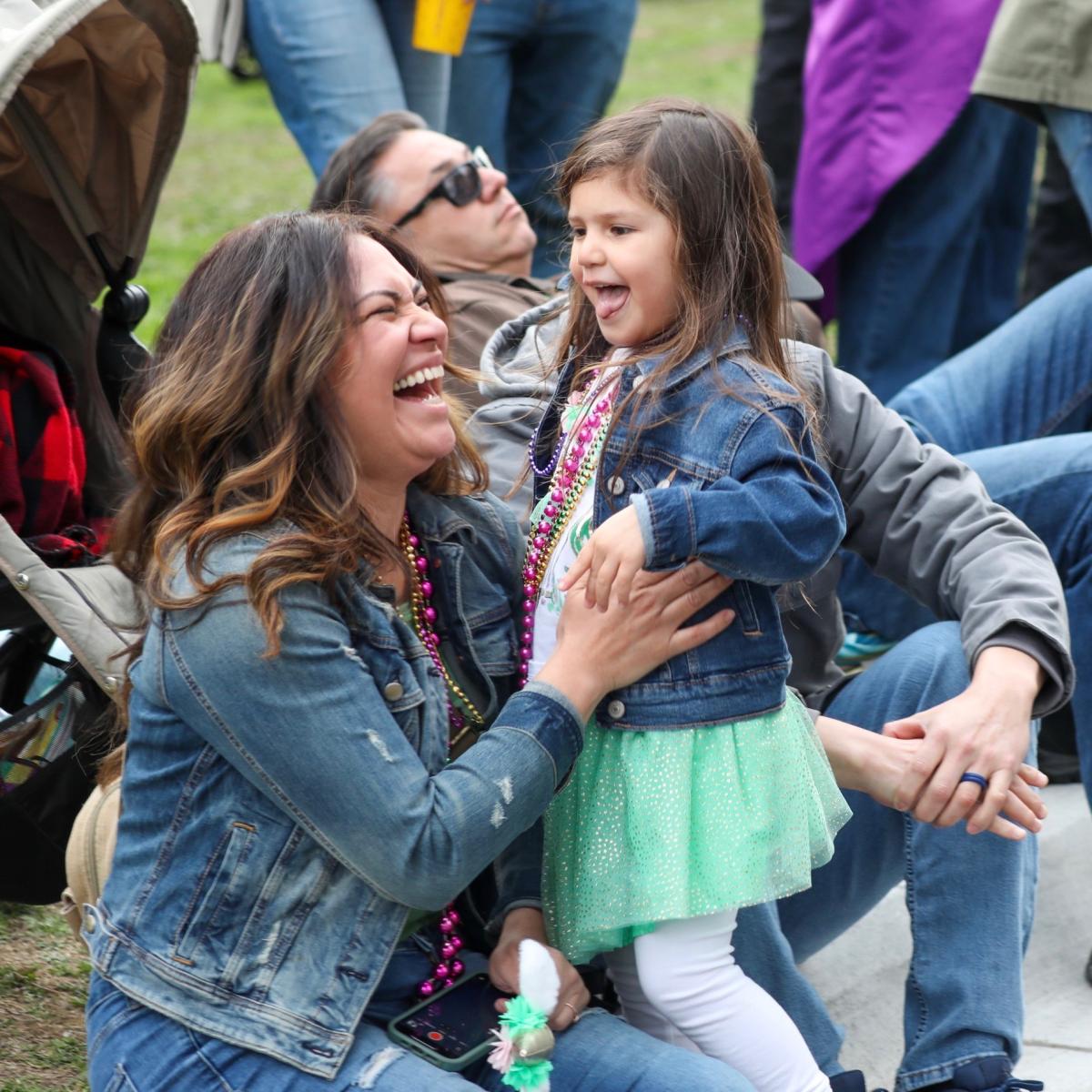
Attendees enjoy Mardi Gras festivities in Sacramento. (Courtesy
photo)
The combination makes sense, says Ramon. “I will say, in Louisiana, since we’re already such a gumbo of people, we tend to fuse fast whenever a new community moves in,” Ramon says. “Before we had the Vietnamese influence, we had the French Quarter, we had the German Quarter, we had the Italian Quarter. So they became part of an ongoing story. What we’re trying to do with this new event is blend all the cooking and musical styles together and have a really great time. The ‘Asian Cajun’ thing was just a natural fit.”
She adds, “This is also part of my broader belief that Sacramento Mardi Gras should be its own kind of Mardi Gras.”
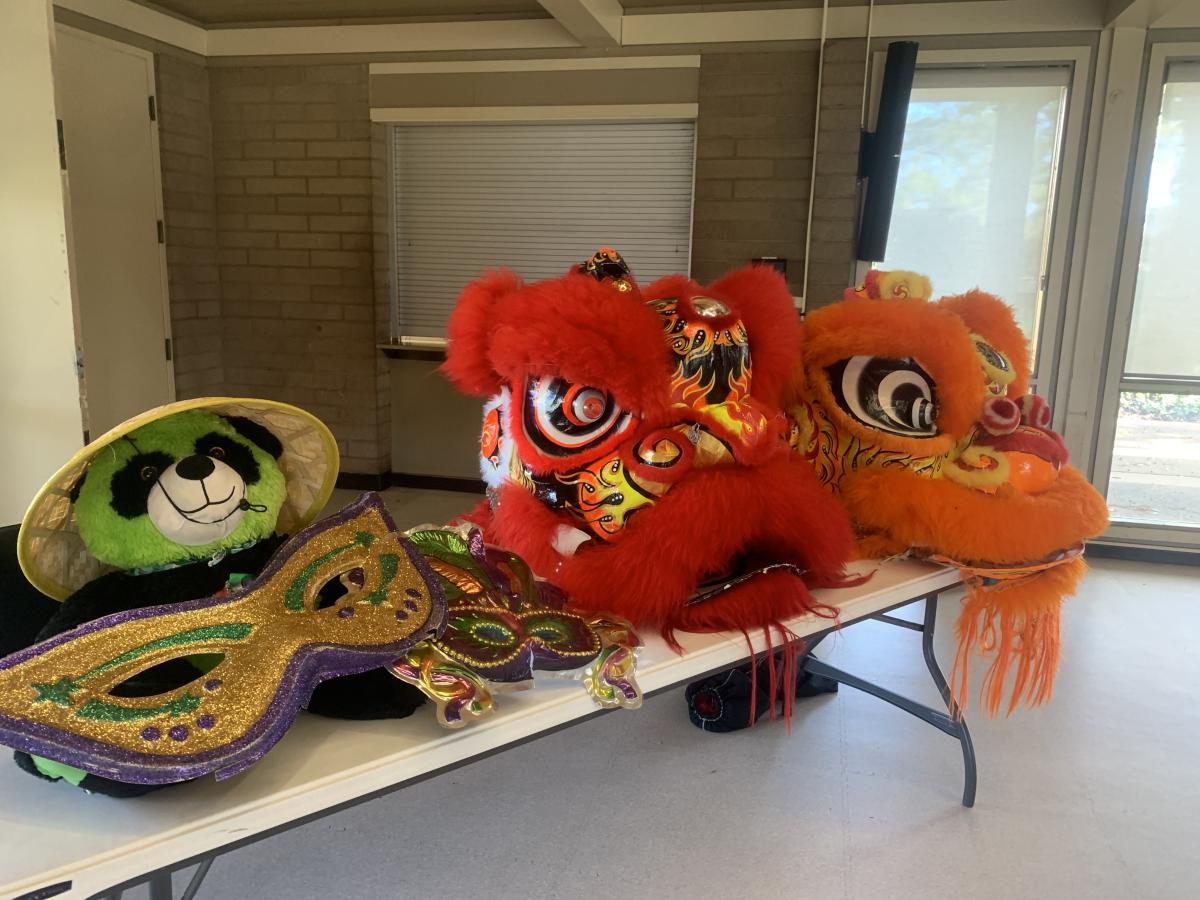
Lion dancers will be among the performers at both the City of
Trees Parade and Mardi Gras Festival and the Lunar New Year Tết
Festival & Parade. (Photo courtesy of Teng Fei Lion Dance of
Sacramento)
The Lunar New Year Tết Festival in Elk Grove will feature a “Mardi Gras and Asian Cajun Village” hosting Southern-inspired food trucks like Rowe’s Low & Slow BBQ, Lizetta’s Southern Soul Food and Savory Dave’s Barbecue alongside Hmong food truck Wonton Crunchies, Brazilian-Chinese Fusion Bites and Filipino Baboy Boys.
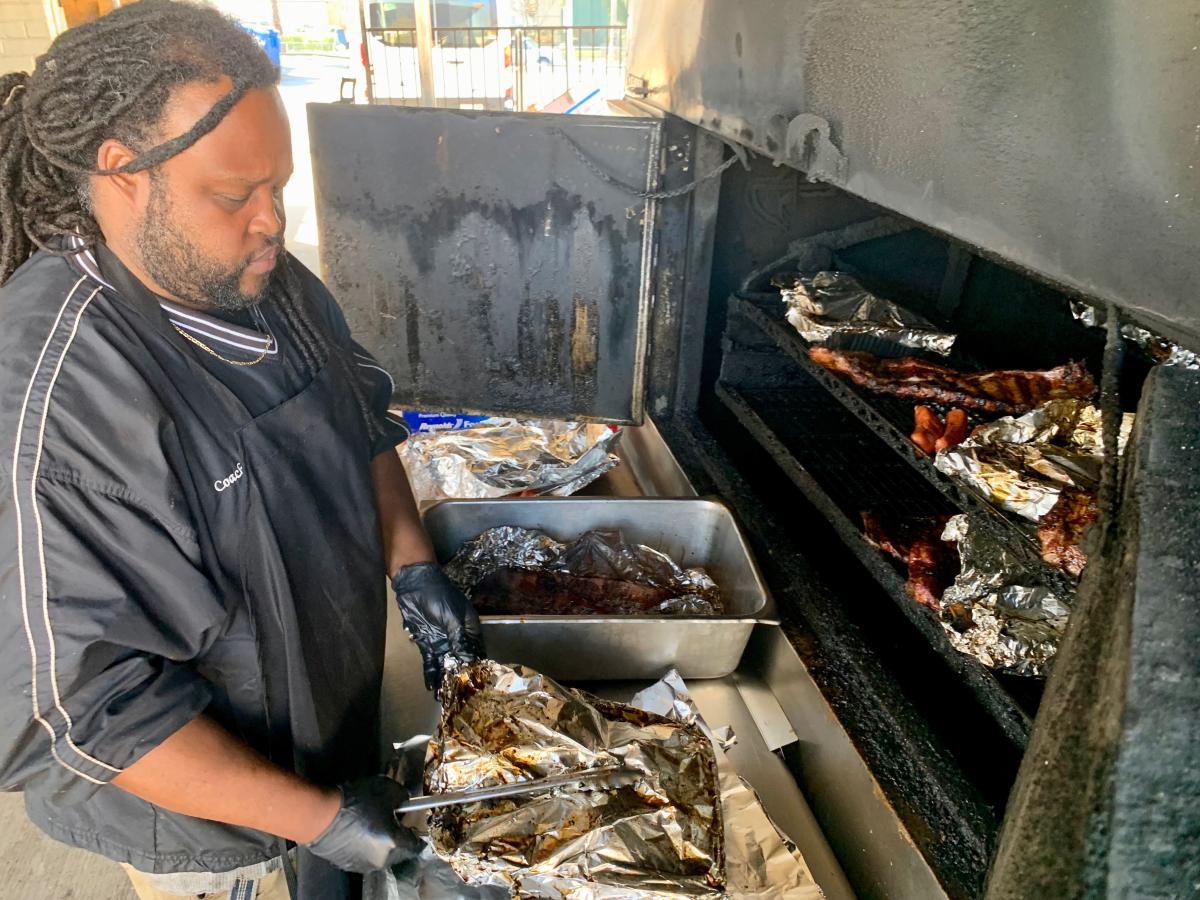
“We’ve also done a number of events with Louisiana Sue, and we just like to be part of her team,” says Kenneth Rowe II, the pit master behind Low & Slow BBQ.
Kenneth Rowe II, the pit master behind Low & Slow BBQ, says he’s
looking forward to being part of combined Lunar New Year and
Mardi Gras events this year. (Photo by Scott Thomas Anderson)
Hip-hop and karaoke at Lunar New Year
Known around Sacramento as “the Wok Star,” Jimmy T. Chong previously emceed the Vietnamese Lunar Flower Festival in Sacramento and the Chinese New Year Parade and Festival in Stockton.
Chong has been helping Ramon and the organizers line up a mix of impressive musical performers for the Lunar New Year Tết Festival & Parade in Elk Grove, including New Orleans-influenced performers like the Big Chiefs, the Mark St. Mary Louisiana Blues & Zydeco Band and the Fortune Panthers Marching Band.
The local hip-hop artist Aaron Le will headline this year’s Lunar
New Year Tết Festival. (Courtesy photo)
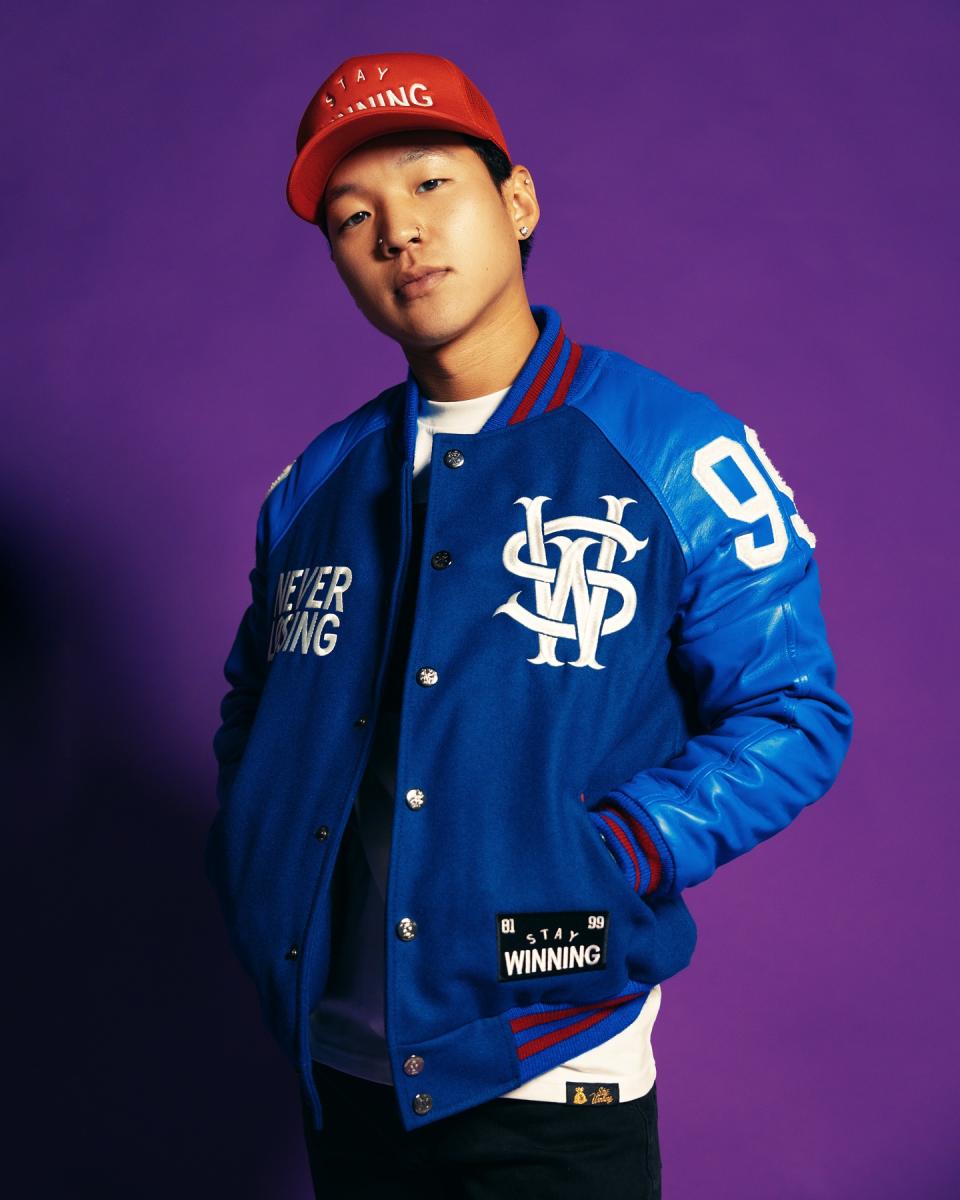
Chong, who also hosts karaoke at different venues across the region with City Wide Karaoke, will be personally handling the Lunar New Year Tết Festival’s public karaoke at the outside pavilion between 3:30 and 5:30 p.m. Feb. 14 before acting as master emcee for the ticketed Valentine’s Day Karaoke Experience at 7 p.m.
“Karaoke brings people together,” Chong says. “And that’s the bigger idea with this festival in general. It’s going to offer a really different experience with East meets West; and I don’t know of anyone who’s done this particular kind of event — and especially on this level.”
‘Burner’ lights at Mardi Gras
It’s not hard for Wes Samms, founder of the City of Trees Parade and Mardi Gras Festival, to explain why so many Sacramento-area Burning Man fanatics love being involved in an event that’s based on New Orleans traditions.
“I think the one area of overlap between Burning Man and Mardi Gras is radical self-expression,” said Samms, who’s had his own burner experiences in the Black Rock Desert. “You know, the costumes, and the idea of being completely funky and free, that’s something you find both at Burning Man and in New Orleans.”
Widely believed to be the biggest Mardi Gras parade in California, the City of Trees procession will mark its fifth outing with colorful floats and more than 1,300 performers. Some of its eye-catching spectacles rolling through Sacramento will be art installations that were previously showcased at Burning Man.
A float passes through Old Sacramento at the 2025 City of Trees
Mardi Gras parade. (Courtesy photo)
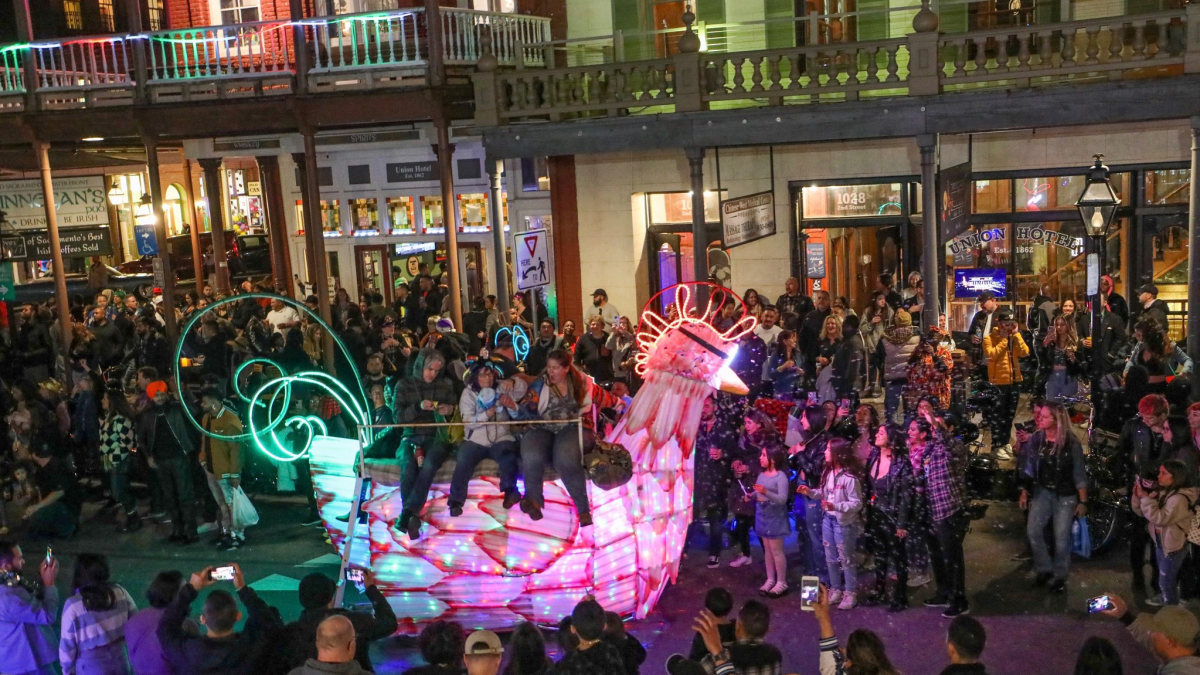
Starting at 3 p.m., the parade route goes from the west steps of the state Capitol to the city’s waterfront, passing by two blocks that are sectioned-off festival grounds on Capitol Mall. Entrance to that festival quarter is ticketed and includes seating, food trucks, adult beverages and bathrooms. Oak Park Brewing is also making a special Mardi Gras beer that will be poured inside the festival area.
Anyone can catch the parade for free along its designated route. Later, the festival will host an electric dance party between 7 and 9 p.m., which will be augmented by LED-lit floats, glowing art pieces and fire spinners.
“We have brand new floats that have never been seen before in our parade this year, especially the Giving Tree, which is a very large art car in the shape of an anthropomorphic tree,” Samms explained. “We’re also going to see the Hundreds Unit, which is a dance troupe led by our Mardi Gras Queen from 2023. And there will be a return of some of our favorites, like the Teng Fei Lion Dance of Sacramento, the UC Davis Marching Band and a number of wonderful surprises.”
“Our parade is about celebrating Sacramento and Northern California culture, and all of the different spectacular aspects of our region’s diversity,” Samms adds. “You’ll find those things completely centered in Sacramento at this parade.”
History Sidebar: A Hybrid Tradition
Mardi Gras, French for Fat Tuesday, has always been a hybridized tradition in New Orleans. Simmering pots of gumbo — a dish that blends French, African, Spanish and Native American influences — became a standing metaphor for the menagerie of backstories that gives Mardi Gras season such profound energy, not to mention shorthand for why New Orleans itself is so unique on the American landscape.
Mardi Gras 1878 at the St. Charles Hotel in New Orleans as
depicted in Frank Leslie’s Illustrated Newspaper. (Public domain
via Wikimedia Commons)

Beginning in the early 1700s, Mardi Gras was originally a Catholic celebration started by French settlers, with weeks of masked galas, musical processions and sumptuous eating binges prior to Lent. Other Catholic immigrants, including Spanish, Irish, Italian and German families, added their own traditions through the 18th and 19th centuries.
Like the rest of the South, early Mardi Gras celebrations were segregated, but New Orleans’ Black and Afro-Caribbean communities took part from the beginning (with records suggesting Black and mixed-race people joined white-only festivities while masked or otherwise disguised). By the 1900s they were forming their own krewes, groups that stage balls and organize or take part in parades. The result is the Mardi Gras Indian tradition, a syncretized culture drawing from Native American, West African and Caribbean elements.
Mardi Gras Indians at New Orleans Jazz Fest 2014. (Photo by
kowarski via Wikimedia Commons, licensed under CC BY 2.0)

Given that syncretic trend, it’s not surprising that Vietnam War refugees who began moving to the city in 1975 became part of its creative life force. Today, some of the top King Cake bakers in New Orleans are Vietnamese Americans, while an exciting culinary collision of Vietnamese techniques and Gulf Coast spices has come to be known as the “Asian Cajun” phenomenon.
–
Follow @comstocksmag on Instagram!
Recommended For You
Mud, Music and the Man
A Sacramento Burner shares thoughts on the community spirit of this year’s rainy Burning Man
While reporters and commentators struggled to understand why
73,000 would choose to isolate — and unintentionally strand —
themselves in the desert, Burners lived out the experiment Black
Rock City was built for.
This Valentine’s, Fall in Love With an Underrated California Wine Destination
Out of Office: Just 45 minutes from Sacramento, it’s an easy Valentine’s Day getaway
There’s nothing better than the stillness of a pastoral view as you sink into your chair and breathe the fresh Sierra Nevada foothills air, a glass of wine in one hand and the other interlaced with your Valentine’s.
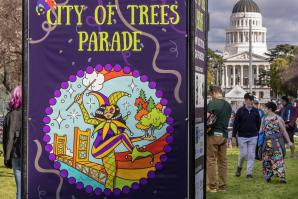
Crescent City Comes to the Capital
The third annual City of Trees parade brings Mardi Gras vibes to Sacramento
Earlier this month, downtown Sacramento looked a little more like the Big Easy for the City of Trees Parade: one of the biggest Mardi Gras events west of the Mississippi.
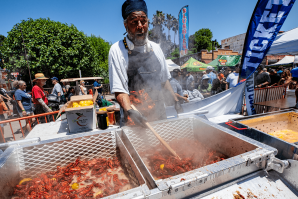
A Crayfish Craze in the Delta
Isleton Crawdad Festival returns for the first time in more than a decade
Isleton’s Crawdad Festival — a defining event from the mid-1980s to the late 2000s for the tiny city along the Sacramento River — returned to Main Street for the first time in 14 years on June 17-18, swelling the city of less than 800 residents to an estimated 60,000 over the two-day event.